

Liquid Filter Bag
- Unimarshal Technologies
- Liquid Filter Bag
Unimarshal Technologies
Liquid Filter Bag
Liquid Filter Bag Manufacturer
Unimarshal Technologies Pvt. Ltd. manufactures liquid filter bags built for reliable particle removal across demanding industrial processes. Our products deliver consistent filtration performance, long service life, and practical operating costs for critical applications.
As a trusted Liquid Filter Bag Supplier and Liquid Filter Bag Exporter, we support industries including water treatment, chemicals, food and beverage, oil and gas, and pharmaceuticals with dependable filtration solutions.
Description
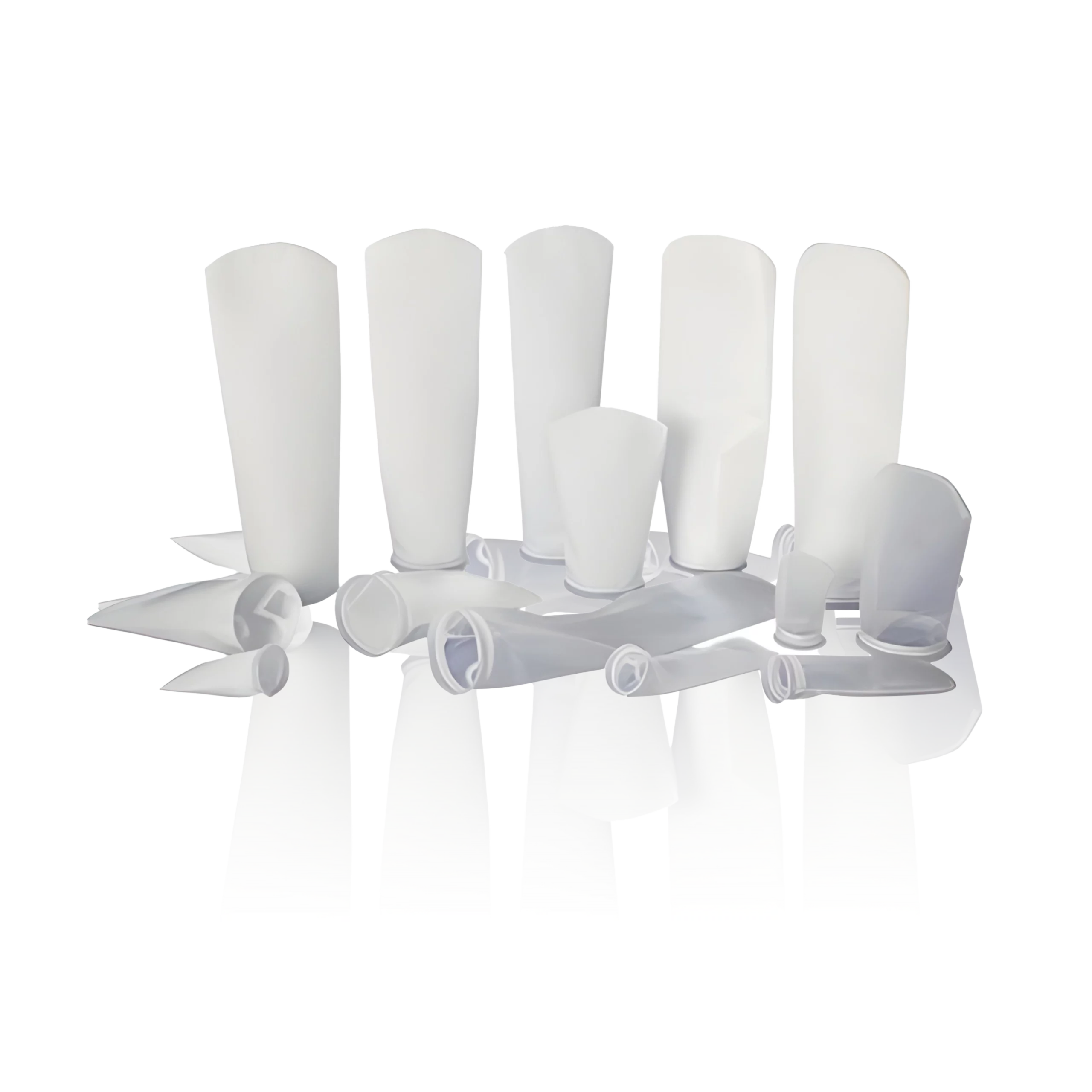
These are extremely successful at removing solid particles from liquids where there are high levels of pollution because they were created in accordance with established industry standards. These are also perfect for locations where filtering highly viscous fluids is necessary. Additionally, we provide Special Purpose and Multipurpose Bags
- Specialised filter media are enclosed within liquid filter bags, also known as filter socks or filter pouches, which are made of fabric or mesh. In many industrial applications, they are utilised to filter and remove solid particles from liquid flows.
- These substances offer excellent chemical compatibility with a variety of liquids and high filtration efficiency. To meet diverse filtration needs, the filter bags are offered in a variety of sizes, shapes, and micron grades.
- The porous fabric or mesh of the liquid filter bags allows the liquid to pass through while catching and holding solid particles inside the bag. A filter housing, which offers stability and protection for the filter bags
Types Of Filter Bags
- Non- woven Micron Felt Bag
- Felt bags
- Mesh bags
- Mono-filament Mesh Bags
- Polypropylene pleated Oil Adsorbent bag.
- Pleated Felt Bags
- Anti-static Bags
- Polyester Anti static Filter Bag
Technical Specifications
- Ø 4” x 10” Length
- Ø 4” x 17” Length
- Ø 7” x 17” Length
- Ø 7” x 32” Length
- Custom size available
Available MOC
- Polyester
- Polypropylene
- Nylon
- Felt
- HDPE
- Other
Fitment Connection
- PP Collar Bag
- Steel Ring
- Snap Bond Fit
- Rubber collar.
Filtration Rating
- 1 micron
- 5 micron
- 10 micron
- 50 micron
- 100 micron
- 200 micron
Advantages
- Effective Particle Removal
- Simple Installation and Replacement
- Cost-Effective Filtration Option
Applications
- Water treatment
- Food and beverage
- Chemicals
- Paints and Coatings
- Pharmaceuticals
- Oil and Gas
- Many others
Product Code Abbreviation
UNI-BF-SB-732-50
| UNI | Description | Style | Material | Size | Micron |
|---|---|---|---|---|---|
| BF - Bag Filter | S1- Single Layered | A - Polypropylene | Ø 4” x 10” | 1 | |
| S2 - Multi Layered | B - Polyester | Ø 4” x 17" | 5 | ||
| C - Nylon | Ø 7” x 17” | 10 | |||
| D - Felt | Ø 7” x 32” | 50 | |||
| E - HDPE | 100 | ||||
| 200 |
For Custom Design - UNI-BF-CUS
Frequently Ask Questions
What is a liquid bag filter and how does it work?
It is a filtration system that removes solid particles from liquids using a fabric bag. The liquid flows into the bag, contaminants get trapped inside, and clean liquid passes through. It is a simple and cost-effective way to protect processes and equipment.
Where are these filters commonly used?
They are widely used in industries like chemicals, paints, food and beverages, pharmaceuticals, oils, water treatment, and inks where clean liquid flow is critical.
What types of particles can be removed?
They can capture dirt, sludge, rust, scale, gels, and other solid contaminants depending on the micron rating of the bag used.
How do I choose the right micron rating?
Choose a micron rating based on how fine the particles are that you want to remove. Lower micron ratings capture finer particles, while higher ratings allow larger particles to pass through.
Are bag filters better than cartridge filters?
Bag filters are better for handling higher flow rates and larger volumes of dirt. They are also easier to change and more economical for many industrial applications.
How often should the filter bag be replaced?
Replacement depends on flow rate, contamination level, and pressure drop. When the pressure increases significantly or flow reduces, it is time to replace the bag.
What materials are filter bags made from?
Common materials include polypropylene, polyester, nylon, and PTFE. The choice depends on temperature, chemical compatibility, and application requirements.
Can these filters handle high temperatures and chemicals?
Yes, when the right bag material is selected. Certain fabrics are designed to withstand high temperatures and aggressive chemicals safely.
Are these filters reusable?
Some filter bags can be cleaned and reused, but many applications prefer disposable bags to maintain consistent filtration performance and hygiene.
How do these filters help reduce operating costs?
They reduce downtime, protect pumps and downstream equipment, and offer high dirt-holding capacity, which means fewer replacements and lower maintenance costs.
Is installation complicated?
No, installation is straightforward. Most systems are designed for quick bag change with minimal tools and minimal process interruption.
What should I consider before buying one?
Flow rate, operating pressure, liquid type, temperature, particle size, and compatibility of materials are the key factors to consider.