

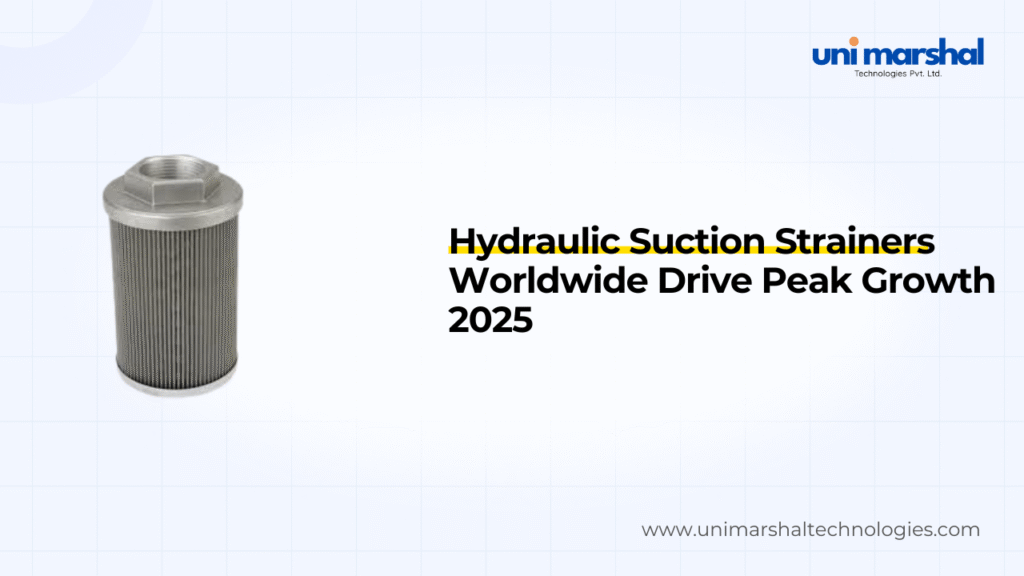
SECTION A : Role of Hydraulic Suction Strainers in Systems
=> Hydraulic Suction Strainers help protect hydraulic pumps by keeping unwanted particles out of the system.
=> These strainers support smooth equipment performance and reduce the risk of early component damage.
~ Quick Overview Table
| Key Point | What It Means |
| Purpose | Removes dirt before oil reaches the pump |
| Benefit | Reduces wear and extends component life |
| Placement | Installed at the pump inlet section |
| Maintenance | Clean or replace based on system load |
| Application | Used in industrial, mobile, and heavy equipment |
~ Why Suction Strainers Matter
- Keep harmful debris away from the pump inlet
- Reduce pressure drops during startup
- Improve oil flow by blocking coarse particles
- Help avoid frequent system breakdowns
~ How They Improve System Efficiency
- Stop large contaminants entering critical parts
- Maintain steady oil movement through the system
- Reduce chances of pump cavitation
- Support longer service intervals
~ Key Functions in Hydraulic Equipment
- Protect the pump against solid impurities
- Maintain oil quality in harsh working conditions
- Reduce stress on filtration units downstream
- Enhance safety of high-pressure operations
~ Where They Are Used
- Construction machines
- Industrial presses
- Material handling equipment
- Agricultural machinery
- Marine and drilling units
~ Choosing the Right Suction Strainer
- Check flow requirement and port size
- Match micron rating to system needs
- Select materials suited for fluid type
- Review temperature and pressure conditions
- Use quality-tested models for better durability
~ Maintenance Tips
- Clean elements at regular intervals
- Inspect for dents or clogging
- Replace damaged mesh instantly
- Monitor oil condition to plan servicing
- Follow OEM guidelines for better performance
~ Regional Usage Insight
- Widely adopted across global industries
- Growing demand for Hydraulic Suction Strainer in India
- Increasing preference in heavy-duty machines
- Rising importance due to equipment modernization
~ Benefits for Equipment Owners
- Lower repair expenses
- Longer pump lifespan
- Stable pressure during operations
- Improved machine reliability
- Less downtime during peak work hours
SECTION B : Why Suction Filtration Protects Pumps
=> Hydraulic suction Strainers help keep pumps safe by stopping large particles before they enter the system.
=> This early protection keeps oil clean, supports pump life and avoids sudden breakdowns during operations.
~ Quick Overview Table
| Key Point | Meaning |
| Main Role | Blocks dirt before it reaches the pump |
| Benefit | Reduces wear and pump failures |
| Impact | Keeps oil flow steady and smooth |
| Risk Without It | Cavitation and costly repairs |
| Industry Use | Mobile, industrial and heavy-duty machines |
~ Why Early Filtration Matters
- Stops coarse particles from entering pump inlet
- Reduces friction inside rotating pump parts
- Helps the pump run cooler and smoother
- Lowers risk of internal scoring and damage
~ How Suction Filtration Protects Pump Health
- Blocks harmful debris before it reaches tight areas
- Supports proper lubrication inside components
- Keeps pressure drop under control at startup
- Limits the impact of sudden contamination spikes
~ Key Ways It Improves Pump Life
- Prevents cavitation by keeping flow stable
- Cuts down load on high-pressure filters
- Reduces vibration caused by dirty oil
- Helps avoid early seal or bearing issues
~ Why Pumps Fail Without Suction Filtration
- Dirt enters and damages rotating assemblies
- Heat builds up due to restricted flow
- Oil foams and loses lubrication quality
- Internal parts wear faster and lose efficiency
~ Where This Filtration Is Essential
- Excavators and loaders
- Industrial power units
- Press machines and molding lines
- Hydraulic lifts and handling systems
- Marine deck machinery
~ How Users Benefit From Suction Protection
- Fewer pump repairs
- More stable machine performance
- Better oil condition over long hours
- Lower downtime in critical operations
- Longer system lifespan overall
~ Maintenance Steps Users Should Follow
- Inspect strainers during routine service
- Clean mesh when oil looks cloudy
- Replace damaged elements immediately
- Watch for flow reduction or pump noise
- Follow recommended cleaning intervals
~ Choosing the Right Filtration Setup
- Match micron rating with pump size
- Select correct flow capacity
- Choose corrosion-resistant materials
- Keep system fluid type in mind
- Use OEM-approved designs for reliability
~ Regional Insight
- Growing demand for Hydraulic Suction Strainer in Qatar due to expansion in construction and industrial equipment
- Wider use across modern hydraulic systems needing reliable pump protection
SECTION C : Key Features to Check Before Buying
=> Hydraulic Suction Strainers need the right features to protect pumps and keep hydraulic systems running smoothly.
=> A good strainer prevents early wear, improves oil flow, and supports long equipment life with simple maintenance.
~ Quick Overview Table
| Feature | What It Means |
| Micron Rating | Defines how well particles are captured |
| Flow Capacity | Ensures smooth oil movement to the pump |
| Material Quality | Affects durability and corrosion resistance |
| Port Size | Must match system inlet requirements |
| Cleaning Method | Helps plan easy maintenance cycles |
~ Micron Rating
- Shows how fine particles the strainer can hold
- Choose based on system sensitivity
- Common ratings include 74 to 250 microns
- Lower micron means finer filtration
~ Flow Capacity
- Must support pump demand without restriction
- Prevents pressure drop during startup
- Keeps oil moving consistently
- Important for heavy-duty work cycles
~ Build and Material
- Stainless steel offers long life
- Good mesh avoids frequent damage
- Strong housing protects against vibration
- Corrosion resistance matters for harsh fluids
~ Port Size and Fit
- Should match pump inlet dimensions
- Wrong size causes leaks or flow issues
- Check thread type before buying
- Proper fit improves overall performance
~ Maintenance and Cleaning
- Easy-to-clean mesh saves downtime
- Removable bowl helps quick inspection
- Replace elements only when damaged
- Follow routine cleaning intervals
~ Compatibility Checks
- Must suit fluid type and viscosity
- Works best when matched with pump capacity
- Avoid strainers too small for high-flow systems
- Always check OEM recommendations
~ Performance Stability
- A good strainer stops large debris instantly
- Maintains smooth pump operation
- Reduces risk of cavitation
- Supports long service life
~ User Benefits
- Lower maintenance cost
- Improved oil quality
- Longer pump lifespan
- Fewer system shutdowns
~ Regional Insight
- Growing use of Hydraulic Suction Strainer in Kuwait due to rising hydraulic equipment demand
- Users prefer durable options for tough operating conditions

SECTION D: Main Industrial Uses of Suction Strainers
=> Hydraulic Suction Strainers help protect pumps by keeping larger contaminants out during fluid intake.
=> Industries rely on these filters because they support cleaner flow, longer pump life, and steady system performance.
~ Quick Use-Case Summary Table
| Industrial Use Case | What It Means | Why It Matters |
| Construction Machines | Heavy equipment fluid protection | Prevents early pump wear during rough operations |
| Manufacturing Lines | Clean suction flow for machines | Keeps production smooth and steady |
| Agriculture Equipment | Protects tractor and harvester pumps | Helps avoid breakdowns in field operations |
| Material Handling | Stable flow for forklifts and lift systems | Reduces sudden hydraulic failures |
| Mining Systems | Filters debris in harsh sites | Supports pump life in dusty conditions |
~ Where Suction Strainers Are Commonly Used
- Works in excavators, loaders, and cranes
- Fits in hydraulic power packs for stable suction flow
- Helps protect pump in injection molding machines
- Useful in tractors, harvesters, and sprayers
- Runs in mining machines that work in dusty zones
- Installed in forklifts and lifting units for smoother control
- Used in presses, mixers, and industrial machinery
- Supports hydraulic systems in large processing plants
~ Why Construction and Heavy Equipment Need Them
- Prevents stones, dust, and metal pieces from entering pumps
- Reduces downtime on busy construction sites
- Helps machines run longer with clean suction flow
~ Uses in Manufacturing and Production Units
- Protects pumps in molding and pressing machines
- Avoids flow blockages that slow production
- Helps maintain consistent machine speed
~ Uses in Agriculture and Farm Machinery
- Keeps pump intake clean in rough field conditions
- Helps tractors and harvesters work without fluid issues
- Reduces failures caused by dirt-heavy environments
~ Uses in Mining and Harsh Industrial Areas
- Filters debris in dusty and rocky locations
- Helps maintain pump reliability in extreme workload zones
- Supports smooth hydraulic power in underground operations
~ Regional Relevance and Application Insight
=> Many industries prefer efficient suction filters, and users often look for options like a Hydraulic Suction Strainer in Egypt when working in dusty climates.
~ Key Benefits Across All Industrial Uses
- Protects pump from early damage
- Keeps suction flow stable
- Reduces repair and downtime
- Supports long-term system health
- Helps machines run smoothly in tough environments
SECTION E : How to Pick the Right Strainer Size
=> Hydraulic Suction Strainers must match the system flow to keep the pump safe and stable.
=> Choosing the correct size avoids flow issues, reduces wear, and helps the full system work smoothly.
~ Quick Sizing Guide Table
| Sizing Factor | What It Means | Why It Matters |
| Flow Rate | Amount of oil moving through suction line | Ensures smooth pump intake |
| Port Size | Connection size of the strainer | Prevents bottlenecks and pressure issues |
| Mesh Rating | Size of particles allowed to pass | Controls pump protection level |
| Tank Volume | Oil capacity of the system | Helps match the right strainer area |
| Pump Type | Gear, vane, or piston pump | Each type needs specific flow support |
~ Key Factors to Check Before Selecting Size
- Know your system’s flow rate first
- Match strainer size with suction line diameter
- Make sure the strainer has enough open area
- Choose mesh based on contamination level
- Check pump capacity and suction speed
- Pick a size that avoids unnecessary flow restriction
~ Understand Flow Rate Needs
- Always check the required liters per minute
- Make sure the strainer can handle total flow
- Avoid undersized designs that choke the pump
~ Picking the Right Mesh Size
- Fine mesh protects against small debris
- Coarse mesh suits heavy-duty dusty zones
- Choose mesh based on system cleanliness
~ Match Port Size Correctly
- Port size should match the suction hose
- Wrong size increases flow loss
- Correct match prevents cavitation
~ Why Open Area Matters
- More open area means easier flow
- Helps pump breathe smoothly
- Reduces stress on suction line
~ Application Fit and Regional Insight
=> Many users check sizing guides when choosing a Hydraulic Suction Strainer in Australia for machines that run in varied climate conditions.
~ Simple Checklist for Perfect Sizing
- Confirm flow rate
- Match port diameter
- Select right mesh grade
- Check total open area
- Consider oil type and viscosity
- Ensure easy cleaning access
~ Common Mistakes to Avoid
- Choosing too fine mesh for dirty environments
- Under sizing the strainer for high-flow systems
- Ignoring pump manufacturer standards
- Using mismatched ports and fittings
SECTION F : Maintenance Tips for Better Strainer Life
=> Hydraulic Suction Strainers last longer when they are cleaned, inspected, and handled with simple routine care.
=> A well-maintained strainer keeps the pump safe, avoids blockages, and supports smooth hydraulic flow.
~ Quick Maintenance Summary Table
| Maintenance Task | What You Should Do | Why It Helps |
| Cleaning Cycle | Wash mesh gently with solvent | Removes trapped dirt and restores flow |
| Visual Check | Look for dents or clogging | Helps catch early damage |
| Seal Inspection | Check O-rings and gaskets | Prevents suction leaks |
| Replacement Check | Compare condition with manual | Avoids pump strain from worn parts |
| Oil Condition Check | Inspect fluid quality | Reduces frequent clogging issues |
~ Basic Cleaning Practices
- Rinse mesh with light solvent
- Avoid harsh scrubbing on fine screens
- Use low-pressure air to dry parts
- Clean more often in dusty job sites
~ How to Inspect the Strainer Correctly
- Check screen for bends or cracks
- Look for unusual dark patches of dirt
- Make sure housing is not damaged
- Confirm strainer sits properly in place
~ Monitoring Oil Condition
- Look for color change in fluid
- Notice any metal flakes or sludge
- Replace oil before it becomes thick
- Keep tank areas clean to avoid fast clogging
~ Seal and Gasket Care
- Inspect O-rings during every cleaning
- Replace seals if they feel brittle
- Keep sealing areas dry before installation
- Prevents air leaks that reduce pump efficiency
~ Replacement Timing Tips
- Replace when mesh becomes torn
- Change when clogging continues after cleaning
- Follow manufacturer’s cycle guide
- Keep a spare strainer for quick swaps
~ Why Regular Checks Improve System Health
- Helps pump work with steady suction
- Reduces system heat from restricted flow
- Prevents pressure drops during operation
- Supports consistent hydraulic output
~ Region-Specific Maintenance Insight
=> Many users look for options like a Hydraulic Suction Strainer in New Zealand because consistent maintenance is important in environments with frequent weather changes.
~ Extra Care Tips for Heavy-Use Machines
- Clean more often in mining or construction
- Avoid running pump when oil level is low
- Keep suction line free from loose debris
- Replace worn parts during planned service
~ Storage and Handling Tips
- Store clean strainers in dry boxes
- Avoid stacking heavy tools on them
- Keep mesh covered during transport
- Protects screen from bending or impact

SECTION G : Global Filtration Trends for 2025
=> Hydraulic Suction Strainers demand is rising as industries shift toward cleaner, smarter, and more reliable filtration setups.
=> New technology, stricter rules, and global industrial growth are changing how companies plan filtration upgrades.
~ Quick 2025 Trends Summary Table
| Trend | What It Means | Why It Matters |
| Smart Monitoring | Sensors track flow and clogging | Reduces downtime and surprise failures |
| Eco-Friendly Designs | Reusable and low-waste filters | Cuts cost and supports sustainability |
| High-Efficiency Screens | Finer mesh with better flow | Improves pump protection |
| Regional Customization | Filters built for local needs | Supports harsh, dusty, or humid climates |
| Predictive Maintenance | Data-based service planning | Extends equipment life |
~ Rise of Smart Filtration Systems
- Many plants are adding sensors
- Real-time monitoring helps avoid sudden blockages
- Alerts guide teams to clean or replace earlier
- Supports smooth pump and equipment performance
~ Growth in Eco-Friendly Filter Materials
- More use of reusable metal screens
- Lower waste from fewer replacements
- Safer materials used in manufacturing
- Helps companies meet green compliance rules
~ High-Demand Sectors Leading the Trend
- Heavy machinery and mining
- Steel and cement plants
- Oil and gas operations
- Large hydraulic power units
~ Customized Filtration for Tough Environments
=> Many buyers look for a Hydraulic Suction Strainer in Kenya because industries there often work in dusty outdoor sites.
- Filters built for dust-heavy surroundings
- Extra-strong mesh options available
- Better sealing systems for rough weather
- Supports stable suction performance
~ Predictive Maintenance Adoption
- Data tools predict clogging patterns
- Maintenance teams avoid emergency downtime
- Saves cost on unscheduled repairs
- Improves pump lifespan
~ Boost in Fine-Mesh and High-Flow Screens
- Better protection from small particles
- Reduced pump stress during peak load
- Lower chances of cavitation
- Smooth oil flow even under high demand
~ New Safety and Compliance Standards
- More pressure on companies to use safer filtration
- Strict guidelines for contamination control
- Standardized testing before large purchases
- Ensures reliable system operation
~ Market Expansion in Emerging Regions
- More hydraulic systems in developing industries
- Rising need for affordable filtration options
- Local manufacturing growth in multiple countries
- Faster supply and replacement access
~ Innovations in Filter Housing Technology
- Stronger metal bodies
- Quick-open designs for faster cleaning
- Better vibration resistance
- Longer service life for full assemblies
SECTION H : Regional Demand and Usage Variations
=> Hydraulic Suction Strainers usage changes across regions because industries, climates, and equipment needs are different.
=> Many countries follow their own rules, so filtration choices shift based on local working conditions.
~ Regional Usage Summary Table
| Region | Main Usage Pattern | Why It Differs |
| North America | Heavy-duty machinery | Large mining and construction operations |
| Europe | High-efficiency filtration | Strict contamination control rules |
| Middle East | Dust-resistant setups | Hot and dusty climate |
| Asia | Cost-efficient designs | High demand from manufacturing |
| Africa | Durable field units | Outdoor industrial environments |
~ North America Demand Style
- Focus on rugged filtration setups
- Strong need in mining and forestry
- Higher flow rates preferred
- Long-life screens widely used
~ Europe’s Precision-Driven Usage
- Preference for fine-mesh screens
- Tight contamination standards
- Strong focus on energy efficiency
- Popular in automated factories
~ Middle East Climate Impact
=> Many buyers look for a Hydraulic Suction Strainer in UK for stable performance in controlled indoor plants, unlike the Middle East where heat affects filter life.
- Extra protection from dust
- High-temperature-ready metal mesh
- Stronger sealing layers
- Used heavily in oil and gas
~ Asia’s Fast-Growing Demand
- High need in construction equipment
- Often selected for cost balance
- Strong usage in manufacturing lines
- Quick-clean styles preferred
~ Africa’s Outdoor Usage Conditions
- Filters used in field machinery
- Need for durable housings
- Works in dusty open areas
- Wide use in agriculture
~ What Drives Usage Differences
- Climate factors shape filtration rules
- Industries choose mesh sizes differently
- Equipment age affects filter type
- Local supply decides replacement choices
~ Trends Impacting Regional Needs
- Rising demand for eco-friendly options
- Strong move toward quick-service designs
- Better global access to spare parts
- Growth in automation across regions
~ Key Buyer Considerations by Region
- Local weather influence
- Industry flow rate needs
- Filtration rules and standards
- Replacement part availability
~ How Companies Adjust Regionally
- Custom mesh grades for each area
- Stronger bodies for harsh sites
- Fast-clean versions for busy plants
- Lower-cost models for large fleets
SECTION I : When to Replace or Upgrade a Strainer
=> Hydraulic Suction Strainers should be replaced or upgraded when flow decreases or damage appears in the mesh.
=> Timely replacement keeps pumps safe, avoids contamination, and ensures smooth hydraulic system performance in all conditions.
~ Quick Replacement/Upgrade Table
| Indicator | Action | Why It Matters |
| Clogged Mesh | Clean or replace immediately | Prevents pump strain and low flow |
| Torn or Bent Screen | Upgrade to new strainer | Ensures proper particle blocking |
| Frequent Pressure Drop | Check filter rating | Avoids pump cavitation and inefficiency |
| Old or Worn Material | Install modern material | Extends pump and system life |
| High-Demand Operations | Upgrade to heavy-duty strainer | Handles higher flow and debris load |
~ Signs You Need a Replacement
- Noticeable drop in oil flow
- Unusual pump noise during operation
- Visible dents, tears, or damage
- Frequent cleaning fails to restore performance
- Pressure gauges show abnormal readings
~ How Upgrades Improve Performance
- New strainers support higher flows
- Stronger mesh prevents fine debris entry
- Better seals reduce suction leaks
- Modern materials resist corrosion and wear
~ Best Practices for Timing
- Inspect during every routine maintenance
- Replace according to OEM service schedules
- Monitor system pressure and oil condition
- Keep spare strainers ready for quick swap
~ Heavy-Duty Operations Considerations
- Upgrade strainers in construction or mining machines
- Choose larger capacity for industrial presses
- Stronger housings resist vibration damage
- Ensures uninterrupted machine operation
~ Regional Insight
=> Many industrial users prefer a Hydraulic Suction Strainer in Canada because cold climates and dusty sites require robust, reliable strainers.
~ Benefits of Replacing/Upgrading on Time
- Steady pump suction flow
- Reduced repair and maintenance costs
- Lower chance of sudden failures
- Longer hydraulic system lifespan
- Smooth, efficient operations under heavy use
FREQUENTLY ASKED QUESTIONS
Other Investors Are Exploring
hydraulic suction strainer || hydraulic filtration market 2025 || industrial hydraulic filtration || heavy machinery suction filters || Hydraulic Suction Strainer in Canada || Hydraulic Suction Strainer in UK || Hydraulic Suction Strainer in India || Hydraulic Suction Strainer in Qatar || Hydraulic Suction Strainer in Kuwait || Hydraulic Suction Strainer in Egypt || Hydraulic Suction Strainer in Australia || Hydraulic Suction Strainer in New Zealand || Hydraulic Suction Strainer in Kenya