

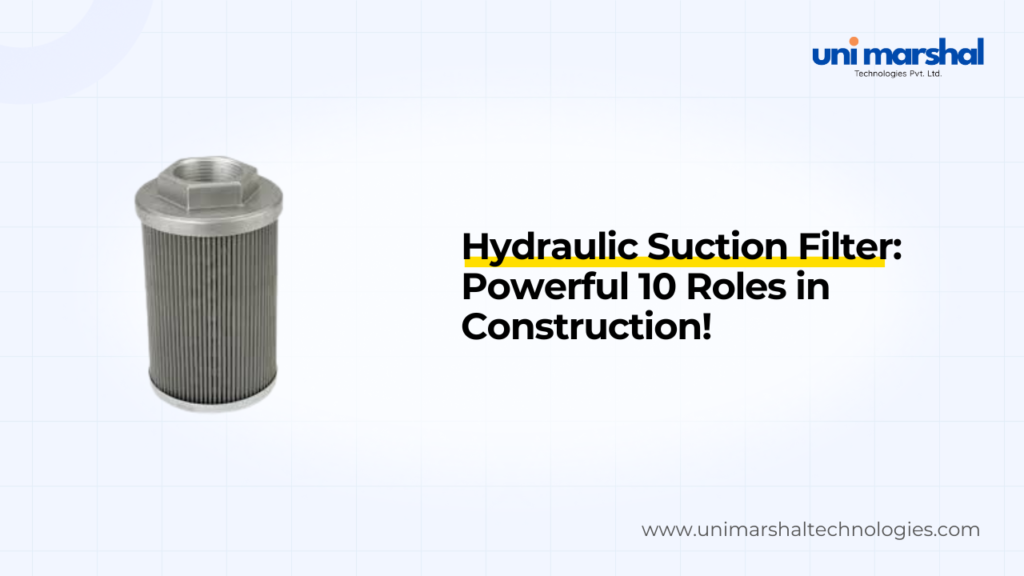
SECTION A: Preventing Hydraulic Pump Damage in Heavy Equipment
Hydraulic Suction Filter plays a critical role in protecting hydraulic pumps used in heavy equipment. These machines work in dusty, high-load, and rough environments where oil contamination is common and damaging.
Hydraulic pumps are the heart of construction and earthmoving equipment. When a pump fails, the entire machine stops working. Preventing pump damage starts with controlling contaminants before they enter the system.
Why Hydraulic Pumps Get Damaged
Hydraulic pump damage usually begins at the suction side. Unfiltered oil carries harmful particles that directly hit pump components.
Common causes include:
- Dust and dirt entering the hydraulic tank
- Metal particles from internal wear
- Sludge formation due to oil degradation
- Improper or missing filtration
Even small particles can cause scoring, cavitation, and premature pump failure.
How Suction Filtration Helps
A suction filter is installed at the pump inlet. Its job is to stop large contaminants before they reach sensitive pump parts.
Key protection benefits:
- Blocks harmful debris at the oil entry point
- Maintains smooth oil flow to the pump
- Reduces chances of cavitation
- Supports consistent pump pressure
This early-stage filtration significantly improves pump reliability.
Key Areas of Pump Protection
| Protection Area | How It Helps the Pump |
| Contaminant control | Prevents abrasive particles from entering the pump |
| Flow stability | Ensures steady oil supply without restriction |
| Wear reduction | Minimizes internal surface damage |
| Temperature control | Reduces friction-related heat buildup |
| System reliability | Lowers sudden pump breakdown risks |
Benefits for Heavy Equipment Operators
Using proper suction filtration brings practical benefits on job sites.
Main advantages:
- Fewer pump replacements
- Reduced machine downtime
- Lower repair and maintenance costs
- Better equipment availability
- Longer hydraulic system life
These benefits are especially important in excavators, loaders, cranes, and bulldozers.
Role in Overall Hydraulic Safety
Suction filtration supports hydraulic pump protection by controlling contamination at the earliest stage. This reduces stress on downstream filters and hydraulic components.
Supporting benefits include:
- Cleaner oil reaching valves and cylinders
- Improved performance of pressure filters
- Balanced hydraulic system operation
This creates a safer and more predictable hydraulic environment.
Maintenance Practices That Matter
Even the best suction filter needs proper care to perform well.
Important maintenance points:
- Clean or replace strainers at scheduled intervals
- Monitor oil condition regularly
- Avoid clogged filters that restrict oil flow
- Use correct micron rating for the application
Simple maintenance habits prevent costly pump failures.
Why It Matters in Heavy Equipment
Heavy equipment operates continuously under load. Pump failure can halt projects and increase operational losses.
A well-selected suction filter:
- Acts as the first safety barrier
- Protects high-value pump components
- Supports long-term machine performance
This makes suction filtration a basic but essential part of hydraulic system design.
SECTION B : Removing Contaminants from Hydraulic Oil at the Suction Line
Hydraulic Suction Filter is the first protection point in a hydraulic system. It stops harmful particles from entering the pump through the suction line and keeps oil clean from the beginning.
Hydraulic oil travels through many components during machine operation. At the suction line, oil is pulled directly into the pump. Any contamination here causes direct damage.
Why Contaminants Enter Hydraulic Oil
Hydraulic systems in heavy equipment operate in open and harsh environments. Contaminants enter oil in many ways during daily use.
Common sources include:
- Dust and soil from job sites
- Metal particles from component wear
- Rubber debris from seals and hoses
- Sludge formed due to oil aging
Once inside, these contaminants circulate continuously.
Importance of Filtration at the Suction Line
The suction line is where oil first enters the pump. Controlling contamination here reduces system-wide damage.
Key reasons suction filtration matters:
- Prevents large particles from reaching the pump
- Reduces internal pump wear
- Supports steady oil intake
- Limits damage before pressure filtration
Early filtration lowers stress on the entire hydraulic circuit.
How Suction Line Filtration Works
Suction filtration focuses on removing larger particles while maintaining smooth oil flow.
Main working points:
- Oil passes through a mesh or screen
- Solid particles get trapped
- Clean oil flows into the pump
- Reduced risk of cavitation
This process protects sensitive pump components from direct contact with debris.
Types of Contaminants Removed
| Contaminant Type | Source | Impact if Not Removed |
| Dust and sand | Job site environment | Abrasive wear on pump parts |
| Metal particles | Internal component wear | Scoring and pump failure |
| Sludge | Oil degradation | Blocked flow paths |
| Rubber debris | Seal and hose wear | Valve malfunction |
This table helps quickly identify contamination risks and their effects.
Benefits of Clean Oil at Suction Side
Removing contaminants early delivers practical benefits during machine operation.
Main advantages:
- Improved pump efficiency
- Reduced internal friction
- Stable hydraulic pressure
- Longer oil service life
- Lower maintenance frequency
Clean oil keeps machines running smoothly in demanding conditions.
Role in System Cleanliness
Suction filtration supports hydraulic oil contamination control by limiting particle movement throughout the system.
System-level benefits include:
- Reduced load on return filters
- Cleaner oil reaching valves and cylinders
- Better system responsiveness
- Balanced hydraulic performance
Cleaner oil improves overall reliability.
Maintenance Considerations
Suction filtration requires regular inspection to remain effective.
Important practices:
- Clean strainers during oil changes
- Monitor oil condition visually
- Avoid clogged elements
- Match filter capacity to pump flow
Simple checks prevent oil starvation and pump stress.
Why This Matters in Heavy Equipment
Construction and earthmoving machines operate under constant load. Oil contamination at the suction line leads to expensive failures.
Effective suction filtration:
- Protects high-cost pumps
- Supports continuous operation
- Reduces unplanned downtime
- Improves machine lifespan
This makes suction-line filtration a basic requirement in hydraulic system design.
SECTION C : Improving Hydraulic System Efficiency in Construction Machinery
Hydraulic Suction Filter plays a direct role in improving how hydraulic systems perform in construction machinery. It helps ensure clean oil enters the pump, which supports smooth, efficient machine operation.
Construction equipment relies on hydraulics for lifting, digging, steering, and movement. Any drop in system efficiency affects productivity, fuel use, and component life.
What Affects Hydraulic System Efficiency
Hydraulic efficiency depends on oil quality, flow stability, and component condition. Contaminated oil is one of the biggest efficiency killers.
Common efficiency problems include:
- Restricted oil flow
- Internal leakage
- Excessive heat generation
- Slow actuator response
- Increased energy consumption
These issues often start at the suction side.
Role of Suction Filtration in Efficiency
The suction line is the entry point of oil into the pump. Clean oil at this stage improves overall system performance.
Efficiency-related benefits include:
- Smooth oil intake
- Reduced pump load
- Stable pressure generation
- Lower friction losses
Clean suction flow supports consistent hydraulic output.
How Clean Oil Improves System Performance
When oil is free from contaminants, components operate with less resistance and wear.
Key performance improvements:
- Faster cylinder movement
- Accurate valve response
- Reduced pressure drops
- Lower operating temperatures
These factors directly support hydraulic system efficiency during heavy-duty work.
Efficiency Impact Areas Explained
| System Area | Efficiency Improvement |
| Pump operation | Reduced internal resistance |
| Oil flow | Consistent and unrestricted |
| Heat control | Less friction-related heat |
| Energy use | Lower power loss |
| Component wear | Extended service life |
This table helps understand how suction filtration impacts multiple efficiency areas.
Benefits for Construction Machinery
Efficient hydraulics improve daily machine performance on job sites.
Operational advantages include:
- Faster work cycles
- Better control precision
- Reduced fuel consumption
- Lower stress on components
- Improved machine reliability
These benefits are critical for excavators, loaders, and cranes.
Reduced Load on Other Filters
Suction filtration captures large contaminants early. This reduces the burden on pressure and return line filters.
System-level improvements:
- Longer life of downstream filters
- Stable pressure filtration
- Balanced oil cleanliness
- Reduced maintenance frequency
Early filtration improves overall system balance.
Impact on Machine Productivity
Efficient hydraulic systems allow machines to operate at designed speeds and capacities.
Productivity improvements include:
- Quicker lifting and digging
- Smooth steering response
- Consistent attachment performance
- Reduced operational interruptions
Efficient hydraulics support uninterrupted workflows.
Maintenance Practices That Support Efficiency
Proper maintenance ensures suction filtration continues to support performance.
Important practices:
- Regular inspection of suction elements
- Cleaning during oil changes
- Avoiding clogged filters
- Using correct filter size
Good maintenance prevents oil starvation and efficiency loss.
Why This Matters in Real Job Conditions
Construction machinery operates in dusty, high-load environments. Efficiency losses increase operating costs and downtime.
Effective suction filtration:
- Supports steady oil flow
- Protects pump performance
- Maintains system balance
- Improves machine lifespan
This makes suction-side cleanliness essential for reliable hydraulic operation.

SECTION D : Extending the Life of Hydraulic Components in Earthmoving Equipment
Hydraulic Suction Filter is essential for extending the life of hydraulic components in earthmoving equipment. It prevents contaminants from entering pumps, valves, and cylinders, ensuring longer-lasting performance.
Earthmoving machines operate under heavy load, high pressure, and harsh environments. Contaminated hydraulic oil accelerates wear and shortens component lifespan. Proper filtration at the suction side minimizes this risk.
Why Hydraulic Components Wear Out
Hydraulic components face stress from oil contamination and continuous operation. Common causes of wear include:
- Dirt and dust entering the system
- Metal particles from internal wear
- Sludge formation from degraded oil
- Poor maintenance practices
Without proper filtration, these contaminants damage valves, pumps, and cylinders.
How Suction Filtration Protects Components
Suction filters trap large particles before oil enters sensitive components. This ensures smooth flow and reduces internal damage.
Key benefits:
- Prevents abrasive particles from reaching components
- Maintains consistent oil flow
- Reduces cavitation risk in pumps
- Protects valve spools and cylinder surfaces
Early filtration greatly contributes to hydraulic component lifespan.
Areas of Component Protection
| Component | Protection Provided |
| Pumps | Prevents scoring and cavitation |
| Valves | Reduces wear and ensures accurate operation |
| Cylinders | Minimizes internal surface damage |
| Hoses & Seals | Prevents rubber and metal debris damage |
| Filters | Reduces load on downstream filters |
This table helps understand how suction filtration safeguards different hydraulic components.
Advantages for Earthmoving Equipment
Proper suction filtration improves operational efficiency and reduces maintenance. Key advantages include:
- Fewer unexpected breakdowns
- Reduced repair costs
- Consistent machine performance
- Longer hydraulic component lifespan
- Lower downtime on construction sites
These benefits are critical for excavators, loaders, bulldozers, and cranes.
Supporting Hydraulic System Health
Suction filters support hydraulic component lifespan by controlling contaminants early. Benefits include:
- Cleaner oil reaching critical components
- Balanced hydraulic pressure
- Reduced friction and heat
- Extended oil service life
This ensures the system operates efficiently under continuous load.
Maintenance Tips for Prolonged Component Life
Even high-quality suction filters need attention to be effective. Key maintenance practices:
- Inspect and clean suction strainers regularly
- Replace filters at recommended intervals
- Use correct micron ratings for your equipment
- Avoid clogging that restricts oil flow
Regular maintenance ensures the system remains protected and components last longer.
Importance in Harsh Environments
Earthmoving equipment works in dusty and abrasive conditions. Suction filtration safeguards pumps, valves, and cylinders from accelerated wear.
A properly maintained hydraulic suction filter ensures reliable operation and improves hydraulic component lifespan in all heavy-duty applications.
SECTION E : Reducing Equipment Downtime and Unexpected Breakdowns
Hydraulic Suction Filter is crucial for reducing equipment downtime and preventing unexpected breakdowns in construction machinery. It keeps hydraulic oil clean, ensuring smooth operation and system reliability.
Construction equipment operates in dusty, high-load environments. Contaminated oil often causes pump failures, valve malfunctions, and cylinder wear, leading to unplanned downtime and high repair costs.
Causes of Unexpected Breakdowns
Heavy machinery can fail due to several hydraulic issues:
- Contaminated hydraulic oil
- Worn-out pumps or valves
- Blocked or clogged filters
- Overheating from friction and restricted flow
- Poor maintenance practices
Early-stage filtration prevents many of these issues.
How Suction Filtration Minimizes Downtime
Suction filters trap harmful particles before they enter the pump, reducing system stress and improving reliability.
Key benefits include:
- Protects pumps from abrasive damage
- Maintains consistent oil flow
- Reduces valve and cylinder wear
- Lowers the chance of sudden failures
- Supports continuous machine operation
Suction filtration directly contributes to construction equipment downtime reduction.
Areas Protected by Suction Filtration
| Component | Protection Benefit |
| Hydraulic Pumps | Prevents scoring and cavitation damage |
| Valves | Reduces malfunction risk and wear |
| Cylinders | Protects internal surfaces from debris |
| Hoses & Seals | Stops particle-induced damage |
| Filters | Extends life of downstream filters |
This table shows how filtration protects key components and prevents breakdowns.
Advantages for Construction Operations
Using suction filtration reduces unplanned stoppages and improves productivity:
- Fewer emergency repairs
- Lower maintenance costs
- Increased machine availability
- Consistent hydraulic performance
- Extended component lifespan
These advantages are critical for excavators, loaders, bulldozers, and cranes.
Supporting Hydraulic System Reliability
Suction filters enhance system reliability by preventing contaminants from spreading throughout the hydraulic circuit.
Key system benefits:
- Cleaner oil for all components
- Balanced hydraulic pressure
- Reduced friction and heat
- Less wear on pumps and valves
This keeps machinery operational under high workloads.
Maintenance Tips to Avoid Downtime
Regular maintenance of suction filters ensures maximum protection:
- Inspect and clean strainers periodically
- Replace filters according to manufacturer guidelines
- Avoid clogging and restricted flow
- Use appropriate micron-rated filters
Proper care reduces unexpected breakdowns and keeps equipment running efficiently.
Importance in Heavy-Duty Environments
Construction machinery works in abrasive and dusty conditions. Hydraulic suction filters prevent major failures, ensuring reliable operation and reduced downtime across all heavy equipment applications.
SECTION F : Protecting Hydraulic Systems in Dusty and Harsh Job Sites
Hydraulic Suction Filter is vital for protecting hydraulic systems operating in dusty and harsh job sites. It prevents dirt, sand, and debris from entering pumps and valves, keeping machinery reliable.
Construction and earthmoving equipment often works in environments full of dust, grit, and debris. Contaminants in hydraulic oil reduce efficiency and cause premature wear.
Common Contaminants in Harsh Job Sites
Hydraulic systems face many threats in dusty environments:
- Dust and sand from excavation or demolition
- Metal particles from internal wear
- Rubber fragments from hoses and seals
- Sludge from oil degradation
Early filtration prevents these contaminants from damaging pumps and valves.
Role of Suction Filtration
Suction filters capture larger particles before oil reaches sensitive components. This improves system reliability and supports smooth operation.
Key benefits include:
- Prevents abrasive damage to pumps
- Reduces valve and cylinder wear
- Maintains steady oil flow
- Minimizes cavitation risk
- Supports hydraulic filtration for dusty environments
Components Protected by Suction Filters
| Component | Protection Benefit |
| Pumps | Avoids scoring and cavitation |
| Valves | Ensures accurate control and reduces wear |
| Cylinders | Protects internal surfaces from debris |
| Hoses & Seals | Prevents damage from particles |
| Downstream Filters | Reduces load and extends filter life |
This table highlights how suction filters safeguard critical system components.
Benefits for Equipment in Harsh Conditions
Using a hydraulic suction filter in dusty environments provides clear operational advantages:
- Lower machine breakdowns
- Reduced maintenance costs
- Consistent hydraulic performance
- Extended component lifespan
- Better job site productivity
These advantages are essential for excavators, loaders, bulldozers, and cranes.
Supporting Overall Hydraulic System Health
Suction filtration keeps the entire hydraulic system clean, reducing stress on other filters and components.
System-wide benefits:
- Cleaner oil reaching all components
- Balanced hydraulic pressure
- Lower friction and heat
- Reduced wear on pumps, valves, and cylinders
Maintenance Practices for Harsh Environments
Proper maintenance ensures maximum protection in dusty conditions:
- Inspect and clean suction strainers regularly
- Replace filters as per manufacturer guidelines
- Avoid clogging that restricts oil flow
- Use the correct micron-rated filter for the job
Regular care prevents equipment failures and maintains reliable operation.
Importance in Heavy-Duty Applications
Machines in dusty, abrasive job sites rely on hydraulic suction filters for consistent operation. Proper filtration ensures pumps, valves, and cylinders remain protected, extending the system’s life.

SECTION G : Lowering Maintenance and Repair Costs of Heavy Machinery
Hydraulic Suction Filter plays a vital role in lowering maintenance and repair costs of heavy machinery. It removes contaminants early, preventing wear and costly equipment failures.
Heavy machinery operates in harsh conditions where dirt, metal particles, and sludge are common. Contaminated hydraulic oil increases repair frequency and overall maintenance costs.
Common Maintenance Challenges
Heavy equipment often faces these hydraulic issues:
- Pump and valve wear from debris
- Cylinder scoring due to contaminated oil
- Overheating from restricted flow
- Frequent filter replacements
- Unplanned downtime due to component failure
Early filtration significantly reduces these challenges.
How Suction Filtration Reduces Costs
Suction filters capture large contaminants before oil reaches critical components. This reduces system stress and lowers overall repair expenses.
Key benefits:
- Protects pumps, valves, and cylinders
- Reduces internal component wear
- Maintains stable oil flow
- Prevents cavitation in pumps
- Supports hydraulic maintenance cost reduction
Components Protected by Suction Filters
| Component | Cost-Saving Benefit |
| Pumps | Fewer replacements and repairs |
| Valves | Extended service life and reduced failures |
| Cylinders | Lower repair costs from surface damage |
| Hoses & Seals | Less frequent replacements |
| Downstream Filters | Extended lifespan, reduced filter costs |
This table highlights how suction filtration helps reduce overall maintenance and repair costs.
Operational Benefits
Proper suction filtration improves daily machine performance and cost-efficiency:
- Less frequent breakdowns
- Reduced emergency repair expenses
- Longer intervals between maintenance
- Consistent hydraulic performance
- Increased machine availability
These advantages are critical for excavators, loaders, bulldozers, and cranes.
Supporting Hydraulic System Health
Suction filters improve overall system reliability by keeping oil clean and reducing wear on downstream components.
Benefits include:
- Cleaner oil for valves and cylinders
- Lower internal friction
- Balanced hydraulic pressure
- Reduced heat generation
- Longer component lifespan
Maintenance Tips for Cost Reduction
Regular filter care maximizes protection and cost savings:
- Inspect and clean suction strainers periodically
- Replace filters as per manufacturer schedule
- Avoid clogging that restricts oil flow
- Use the correct micron-rated filter for the machine
Proper maintenance reduces unplanned repairs and improves operational efficiency.
Importance in Heavy-Duty Applications
Heavy machinery works under high stress and abrasive conditions. Hydraulic suction filters prevent early wear, reduce repair costs, and keep machines operating efficiently on job sites.
SECTION H : Supporting Smooth Oil Flow to the Hydraulic Pump
Hydraulic Suction Filter is essential for supporting smooth oil flow to the hydraulic pump. It removes particles from hydraulic oil, ensuring consistent flow and protecting pump components from damage.
Hydraulic pumps depend on uninterrupted oil flow. Contaminated or restricted flow causes cavitation, reduced efficiency, and early component failure, impacting overall machine performance.
Why Smooth Oil Flow Matters
Consistent oil flow is critical for pump performance and system reliability. Common problems caused by poor flow include:
- Cavitation and noise in pumps
- Reduced hydraulic pressure
- Increased component wear
- Sluggish actuator movement
- System overheating
Suction filtration helps prevent these issues at the source.
How Suction Filters Maintain Flow
Suction filters remove large debris before oil enters the pump. Clean oil ensures smooth, continuous flow, reducing strain on the hydraulic system.
Key benefits:
- Maintains consistent oil intake
- Reduces pump cavitation
- Protects valves and cylinders
- Supports hydraulic oil flow optimization
- Extends pump lifespan
Components Protected by Smooth Flow
| Component | Benefit of Smooth Flow |
| Hydraulic Pumps | Stable operation and reduced wear |
| Valves | Accurate and responsive control |
| Cylinders | Smooth actuator movement |
| Hoses & Seals | Less abrasion from debris |
| Downstream Filters | Reduced stress and longer lifespan |
Advantages for Heavy Equipment
Ensuring smooth oil flow improves machine reliability and efficiency:
- Faster and smoother operation
- Reduced risk of hydraulic failures
- Lower maintenance frequency
- Consistent performance under heavy load
- Extended component and oil life
These benefits are important for excavators, loaders, bulldozers, and cranes.
Supporting Overall Hydraulic System Health
Clean and steady oil flow reduces stress on all hydraulic components, improving system efficiency and reliability.
System-level benefits:
- Balanced hydraulic pressure
- Reduced internal friction
- Lower heat generation
- Less wear on pumps, valves, and cylinders
Maintenance Practices to Ensure Smooth Flow
Regular maintenance keeps suction filters effective:
- Inspect and clean strainers regularly
- Replace filters according to schedule
- Avoid clogging that restricts flow
- Use proper micron-rated filters
Proper suction filter care supports smooth oil flow and keeps hydraulic pumps performing efficiently.
Importance in Job Sites
Heavy machinery operates in harsh conditions where smooth oil flow is critical. Hydraulic suction filters ensure reliable operation, prevent cavitation, and maintain optimal pump performance.
SECTION I : Enhancing Reliability of Excavators, Loaders, and Bulldozers
Hydraulic Suction Filter is key to enhancing the reliability of excavators, loaders, and bulldozers. It removes contaminants from hydraulic oil, ensuring stable performance and long-lasting machinery.
Heavy construction equipment works under continuous load in dusty and harsh environments. Contaminated oil can cause pump failure, valve wear, and cylinder damage, reducing operational reliability.
Why Reliability Matters in Construction Equipment
Reliable hydraulics ensure smooth operation and minimal downtime. Common reliability challenges include:
- Pump cavitation and failure
- Valve sticking and inaccurate control
- Cylinder scoring and leakage
- Overheating from restricted oil flow
- Frequent unscheduled maintenance
Suction filters help prevent these problems at the source.
Role of Suction Filters in Reliability
Suction filters capture large particles before oil enters pumps and valves. Clean oil ensures consistent system performance and reduces equipment stress.
Key benefits:
- Protects pumps, valves, and cylinders
- Maintains smooth oil flow
- Reduces cavitation and pressure fluctuations
- Supports hydraulic reliability in construction equipment
- Extends component service life
Components Protected by Suction Filtration
| Component | Reliability Benefit |
| Pumps | Stable operation and fewer breakdowns |
| Valves | Accurate and responsive control |
| Cylinders | Smooth actuator movement without scoring |
| Hoses & Seals | Less abrasion and fewer leaks |
| Filters | Reduced stress on downstream filtration |
This table helps understand how suction filters enhance reliability across key hydraulic components.
Operational Advantages for Heavy Machinery
Proper suction filtration increases machine uptime and productivity:
- Reduced unplanned breakdowns
- Consistent hydraulic performance
- Lower maintenance costs
- Longer component life
- Improved job site efficiency
These benefits are crucial for excavators, loaders, and bulldozers working in demanding conditions.
Supporting Overall Hydraulic System Health
Suction filtration ensures clean oil reaches all system components, improving overall hydraulic reliability.
System-level advantages include:
- Balanced hydraulic pressure
- Reduced internal friction and heat
- Stable actuator response
- Extended life of pumps, valves, and cylinders
Maintenance Tips for Maximum Reliability
Regular filter care ensures continuous protection:
- Inspect and clean suction strainers regularly
- Replace filters according to manufacturer schedule
- Prevent clogging that restricts oil flow
- Use correct micron-rated filters
Maintaining suction filters helps excavators, loaders, and bulldozers operate reliably under high loads.
Importance in Harsh Job Sites
Construction machines operate in abrasive and dusty environments. Hydraulic suction filters prevent early component wear, maintain stable performance, and ensure reliable operation on every project.
SECTION J: Preventing Early Wear of Valves and Cylinders
Hydraulic Suction Filter is essential for preventing early wear of valves and cylinders. It removes contaminants from hydraulic oil, protecting sensitive components and ensuring long-lasting performance.
Heavy machinery operates in dusty and high-pressure environments. Contaminated hydraulic oil causes scoring, leakage, and premature wear in valves and cylinders, reducing efficiency and increasing maintenance costs.
Common Causes of Early Wear
Valves and cylinders can wear out quickly due to:
- Dirt and dust entering the system
- Metal particles from internal component wear
- Sludge buildup from oil degradation
- Abrasive contamination from hoses and seals
Early filtration prevents these issues from damaging components.
How Suction Filters Protect Valves and Cylinders
Suction filters trap large debris before oil reaches critical parts. Clean oil ensures smooth operation and minimizes friction and scoring.
Key benefits:
- Reduces abrasive damage
- Maintains smooth oil flow
- Prevents cavitation and pressure fluctuations
- Supports hydraulic valve and cylinder protection
- Extends service life of components
Components Protected by Suction Filtration
| Component | Protection Benefit |
| Valves | Smooth operation, reduced wear |
| Cylinders | Prevents internal surface scoring |
| Pumps | Reduces cavitation caused by debris |
| Hoses & Seals | Avoids abrasive damage |
| Downstream Filters | Less load, extended filter life |
Advantages for Heavy Equipment
Proper suction filtration improves reliability and reduces maintenance frequency:
- Longer valve and cylinder lifespan
- Lower repair costs
- Consistent hydraulic performance
- Fewer machine breakdowns
- Improved operational efficiency
These benefits are important for excavators, loaders, bulldozers, and cranes working in demanding conditions.
Supporting Overall Hydraulic System Health
Clean oil protects all hydraulic components, reducing friction and wear.
System-level benefits include:
- Balanced hydraulic pressure
- Smooth actuator response
- Reduced heat generation
- Longer life of pumps, valves, and cylinders
Maintenance Practices for Optimal Protection
Regular filter care maximizes protection for valves and cylinders:
- Inspect and clean suction strainers routinely
- Replace filters according to schedule
- Avoid clogging that restricts oil flow
- Use correct micron-rated filters
Proper maintenance ensures valves and cylinders operate efficiently and last longer.
Importance in Harsh Job Sites
Heavy equipment works in abrasive and dusty environments. Hydraulic suction filters prevent early wear, maintain smooth operation, and ensure reliable performance of valves and cylinders.
FREQUENTY ASKED QUESTIONS
1. What is a hydraulic suction filter used for?
2. Why is suction filtration important in construction equipment?
3. Where is a hydraulic suction filter installed?
4. What happens if a hydraulic suction filter is not used?
5. How does a suction filter protect hydraulic pumps?
6. What micron rating is best for a hydraulic suction filter?
7. How often should a hydraulic suction filter be cleaned?
8. Can a clogged hydraulic suction filter damage the system?
9. Is a suction filter enough for full hydraulic protection?
10. Which machines use hydraulic suction filters?
Other Users Are Exploring
Hydraulic Suction Filter || Hydraulic Suction Strainer || Suction Filter For Hydraulic System || Hydraulic Filtration System || Hydraulic Suction Filter Function ||Hydraulic Pump Protection Filter || Hydraulic Filter For Construction Machinery || Heavy Equipment Hydraulic Filtration || Hydraulic Oil Contamination Control || Hydraulic Suction Filter In Construction Equipment || Hydraulic Suction Strainer Manufacturer || Hydraulic Strainer Manufacturer
Disclaimer: This content is for informational purposes only.