

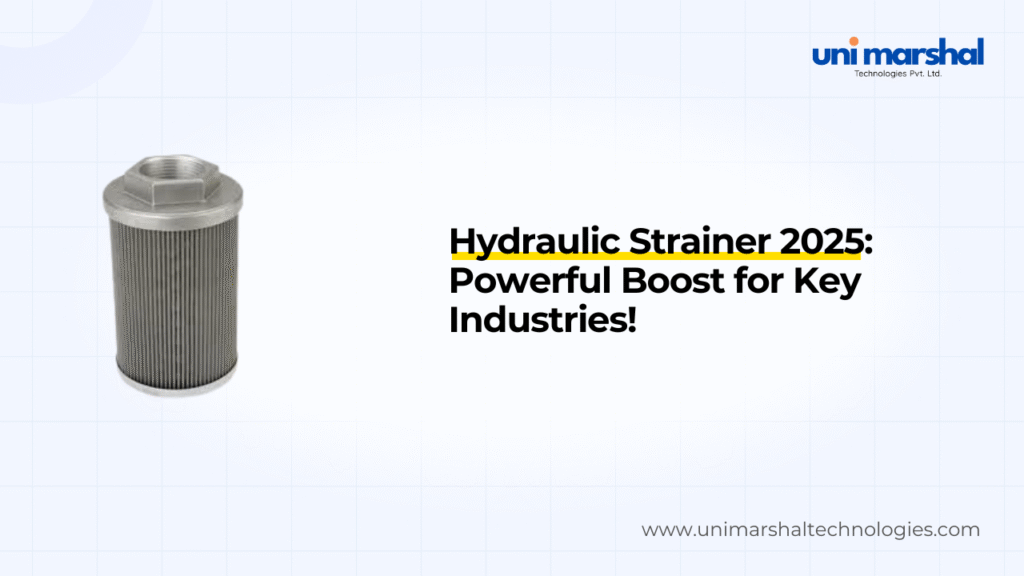
SECTION A: How Strainers Improve System Performance
=> A Hydraulic Strainer helps a system run smoothly by keeping unwanted particles out of the oil flow.
=> When the oil stays clean, machines work better and face fewer unexpected problems.
~ Why Strainers Matter
- They keep dirt and metal particles away from pumps and valves.
- They reduce stress on hydraulic parts so the system works steadily.
- They support hydraulic filtration efficiency by improving oil quality.
- They are useful across industries, including hydraulic strainer oil & gas applications.
~ How Strainers Improve System Performance
| Feature | What It Means | Benefit for Users |
| Contamination control | Captures dirt and debris in oil | Smoother and safer operation |
| Steady oil flow | Helps maintain constant pressure | Better machine response |
| Lower wear on parts | Reduces friction on components | Longer equipment life |
| Better filtration support | Works with filters to clean oil | Fewer system failures |
| Protection for pumps | Stops harmful particles early | Reduced repair costs |
~ How Strainers Improve Machine Health
- Clean oil helps machines run without sudden pressure drops or vibration issues.
- Strainers prevent early damage to pumps and reduce stress on seals.
- They support consistent pressure, which improves overall system response.
- They reduce sludge buildup that can slow down heavy-duty equipment.
~ What Makes Strainers Important in Daily Use
- They remove particles before oil reaches sensitive parts.
- They help maintain stable hydraulic performance during long shifts.
- They keep pumps from overheating due to restricted flow.
- They allow systems to run longer between service intervals.
~ Benefits You Notice Immediately
- Faster response from cylinders and valves.
- Smooth operation even in tough work environments.
- Lower operating cost because fewer parts fail.
- Better system reliability during high-load work.
~ Key Ways Strainers Improve Performance
- Capture harmful particles during the first stage of filtration.
- Protect filters from clogging too early.
- Support pressure stability in fast-moving hydraulic systems.
- Improve oil movement through hoses and valves.
- Reduce downtime caused by dirty oil or blocked flow paths.
~ What Users Gain from Using Strainers
- Cleaner oil that protects expensive components.
- Better efficiency during continuous operations.
- Less maintenance time and fewer emergency repairs.
- Improved machine life in industries that rely on heavy equipment.
SECTION B: How Strainers Reduce Machine Downtime
=> Hydraulic Strainer helps keep machines running without unexpected stops by keeping oil clean and stable during daily operations.
~ Quick Overview Table
| What This Section Explains | Why It Matters |
| How strainers prevent early wear | Fewer breakdowns and smoother work |
| How clean oil improves system life | Better safety and longer machine performance |
| How filters avoid repair delays | Lower service cost and easier planning |
| How regular checks support reliability | Stronger equipment maintenance routines |
~ Why Machine Downtime Happens
-> Short oil flow problems cause pressure drops and reduce speed.
–> Small dirt or metal pieces block internal parts.
-> Heat increases when oil becomes dirty or thick.
~ How Strainers Reduce Downtime
- They stop dust, metal, and sludge from entering the core system.
- They keep pressure stable even during long work hours.
- They protect pumps, valves, and sensitive parts from early wear.
- They help machines work longer without sudden shutdowns.
- They support better planning by reducing surprise failures.
~ Key Advantages for Daily Operations
- Smooth movement of hydraulic parts.
- Less vibration and overheating issues.
- Stable oil flow leading to consistent output.
- Longer life for seals and cylinders.
- Less need for emergency service calls.
~ Role in Equipment Maintenance
- Helps teams notice contamination early.
- Makes inspections easier because oil stays clear.
- Reduces the number of filter replacements.
- Supports compliance in sensitive sectors.
~ What Users Should Check Regularly
- Oil color and clarity
- Unusual pressure drops
- Any noise coming from the pump
- Strainer mesh condition
- Debris level in the reservoir
~ Benefits at a Glance
- Lower repair cost
- Fewer delays during critical work
- Higher machine output
- Better safety for operators
- Cleaner oil for longer hours
~ Simple Tips to Keep Strainers Working Well
- Clean the mesh at scheduled intervals.
- Replace damaged strainers immediately.
- Keep the reservoir sealed during filling.
- Use recommended oil to avoid thick buildup.
- Check for leaks after every service cycle.
SECTION C: Why Clean Oil Matters in Hydraulics
=> Hydraulic Strainer systems depend on clean oil to keep machines running smoothly and prevent early failures.
=> When oil stays clean, the entire hydraulic system performs better, lasts longer and needs fewer repairs.
=> Below is a simple table that helps users understand what this section is about.
| Topic | What It Means | Why It Matters |
| Clean Hydraulic Oil | Oil free from dirt, sludge and particles | Helps machines run smoother |
| System Protection | Reduces wear on pumps and valves | Cuts repair cost and downtime |
| Better Performance | Consistent pressure and smooth flow | Improves reliability |
| Long Equipment Life | Less damage to internal parts | Supports long-term operation |
~ How Dirty Oil Affects Hydraulics
- Dirty oil causes higher friction inside the system.
- Small particles scratch pumps and valves.
- Contaminated oil leads to heat build-up and faster wear.
- Pressure drops occur when contamination blocks flow paths.
~ Why Clean Oil Improves System Efficiency
- Clean oil reduces stress on hydraulic components.
- Machines respond faster with smooth pressure control.
- Performance stays stable even in long working cycles.
- Clean oil helps avoid sudden breakdowns.
~ Key Problems Caused by Oil Contamination
- Slower machine movement
- Overheating in heavy workloads
- Frequent seal and valve failures
- Loss of pressure during operation
- Higher fuel and energy use
~ How Clean Oil Supports Reliability
- Protects internal surfaces from abrasion
- Keeps sensors and valves working correctly
- Improves control accuracy in high-load tasks
- Reduces the chance of unexpected shutdowns
~ Practical Ways to Keep Oil Clean
- Use the right strainer size for your system
- Replace filters on time
- Check oil quality during routine maintenance
- Avoid mixing different oil grades
- Inspect hoses and fittings for leaks
~ Clean Oil in Power and Industrial Systems
- Clear oil flow is essential for turbines and pumps.
- High-heat applications need quick contamination removal.
- Stable operation in power plant hydraulic filtration depends on low particle levels.
~ Signs Your Oil Needs Checking
- Unusual noise from pumps
- Slow movement of cylinders
- Increased hydraulic temperature
- Frequent clogging of filters
- Visible discoloration of the oil

SECTION D: Benefits of Strainers in Heavy Workloads
=> A Hydraulic Strainer plays an important role in systems that run under heavy loads.
=> It helps equipment stay clean, stable, and reliable even during long working cycles.
~ Quick Overview Table
| Benefit | What It Means | Result |
| Better fluid cleanliness | Removes dirt before it reaches components | Smoother operation |
| Strong performance under load | Handles high pressure and long run time | Reduced stress on parts |
| Lower wear on components | Protects pumps, valves, and seals | Longer equipment life |
| Easy maintenance | Simple cleaning and replacement | Less downtime |
| Fits different industries | Supports industrial filtration solutions | Consistent performance |
~ Why Strainers Help in Heavy Workloads
- They filter large volumes of oil without slowing the system.
- They keep the fluid free from contaminants during long working hours.
- They support pressure stability even when the load increases.
~ Protects Components From Damage
- Stops particles from reaching sensitive parts.
- Reduces wear in pumps, cylinders, and control valves.
- Helps systems work smoothly under continuous pressure.
~ Improves Machine Efficiency
- Clean oil helps machines respond faster.
- Pressure stays stable when the load increases.
- Reduces unnecessary strain on moving parts.
~ Reduces Maintenance Needs
- Strainers are easy to clean and replace.
- Less clogging means fewer service interruptions.
- Helps lower overall repair expenses.
~ Suitable for Different Heavy Industries
- Mining, construction, and steel plants use them for strong protection.
- They work well in environments with dust, heat, or constant vibration.
- They even support safe operations in food units when a food-grade hydraulic strainer is required.
~ Supports High-Pressure Performance
- Designed to handle pressure spikes without damage.
- Maintains smooth flow in long duty cycles.
- Gives systems more stability during nonstop operations.
~ Better Reliability in Harsh Conditions
- Works well in extreme temperature and heavy contamination zones.
- Protects equipment from sudden failures.
- Helps machines stay consistent throughout the shift.
SECTION E: Strainers for High-Pressure Systems
=> A Hydraulic Strainer is vital in high-pressure systems to protect equipment from contamination.
=> It ensures smooth operation, reduces wear, and prevents hydraulic failures.
~ Key Benefits of High-Pressure Strainers
| Feature | Benefit |
| Contamination Control | Traps dirt, metal particles, and sludge to protect valves and pumps |
| Equipment Protection | Reduces wear and tear in high-pressure hydraulics |
| Chemical Resistance | Chemical-resistant hydraulic filter prevents corrosion in harsh fluids |
| Longevity | Increases machinery lifespan and lowers the need for frequent maintenance |
~ Why They Are Important
- Prevents sudden breakdowns in high-pressure hydraulics
- Maintains consistent system efficiency
- Protects sensitive components from tiny particles
- Reduces repair costs and downtime
~ Common Applications
- Industrial hydraulic presses
- Oil & gas high-pressure machinery
- Chemical processing equipment
- Heavy-duty mining hydraulics
~ How They Work
-
- Fluid enters the strainer and passes through a fine mesh
- Contaminants are trapped in the strainer basket
- Clean fluid continues to the hydraulic system
- Strainer can be cleaned or replaced easily
- Fluid enters the strainer and passes through a fine mesh
~ Tips for Choosing the Right Strainer
-
- Select chemical-resistant hydraulic filter for corrosive fluids
- Match strainer mesh size to system requirements
- Ensure pressure rating suits the hydraulic system
- Regularly inspect and maintain for optimal performance
- Select chemical-resistant hydraulic filter for corrosive fluids
~ User-Friendly Notes
- Easy to clean strainers save time and reduce costs
- Stainless steel options improve durability in harsh environments
- Proper installation ensures maximum efficiency
- Helps maintain clean oil, which extends component life
SECTION F: Choosing the Right Hydraulic Strainer
=> A Hydraulic Strainer is key to protecting your system from debris and ensuring smooth operation.
=> Selecting the correct one depends on your system needs and compatibility.
~ Key Considerations When Choosing a Hydraulic Strainer
- System Type: Identify whether it’s for industrial machines, water-treatment systems, or heavy-duty equipment.
- Flow Capacity: Match the strainer’s capacity with your hydraulic system to avoid pressure drops.
- Filtration Rating: Use the correct micron rating to capture debris effectively without restricting flow.
- Material: Stainless steel strainers are ideal for corrosive fluids or high-pressure applications.
- Maintenance Needs: Consider ease of cleaning and replacement to reduce downtime.
~ Selecting the Right Strainer
| Feature | What to Look For | Why It Matters |
| System Compatibility | Check hydraulic system compatibility, water-treatment hydraulic strainer | Ensures the strainer fits your equipment and avoids leaks |
| Flow Rate | Measured in liters/min or gallons/min | Correct flow prevents pressure drop and system damage |
| Filtration Rating | Micron size (10–200 μm) | Captures dirt and contaminants efficiently |
| Material | Stainless steel or alloy | Provides durability against corrosion and high pressure |
| Maintenance | Easy to remove and clean | Reduces downtime and keeps system running smoothly |
~ Additional Tips
-
- Inspect your hydraulic system regularly to determine debris levels.
- Choose a strainer that matches both operating pressure and temperature requirements.
- Always follow manufacturer guidelines for installation.
- Consider extra features like bypass valves for critical systems.
- Inspect your hydraulic system regularly to determine debris levels.

SECTION G: How Strainers Cut Operating Costs
=> A Hydraulic Strainer is essential in any hydraulic system to maintain oil cleanliness, prevent damage, and reduce unnecessary expenses.
=> Proper filtration keeps machines running efficiently.
~ Key Ways Strainers Save Costs
- Reduce wear and tear on pumps and motors.
- Prevent machine breakdowns that lead to downtime.
- Maintain consistent hydraulic pressure for better productivity.
- Extend lifespan of hydraulic oil and components.
~ Cost-Saving Table: Strainer Benefits
| Benefit | How It Saves Cost | Key Points |
| Reduced Equipment Damage | Prevents dirt and metal particles from entering machinery | Less maintenance and fewer repairs |
| Longer Oil Life | Keeps hydraulic fluid cleaner for longer | Less frequent oil replacement |
| Fewer Downtime Events | Stops unexpected system failures | Maintains production schedules |
| Energy Efficiency | Properly filtered oil reduces pump load | Lower energy consumption |
| Extended Component Life | Protects valves, cylinders, and actuators | Less spending on replacements |
~ Practical Ways Strainers Help
- Consistent Filtration: Keeps hydraulic oil free from contaminants.
- Easy Maintenance: Quick inspection and cleaning reduce labor costs.
- High Performance: Maintains system efficiency for long operating hours.
- Versatile Use: Fits various industrial machines for widespread cost benefits.
~ Why Using a Good Strainer Matters
- Minimizes equipment maintenance and emergency repairs.
- Supports cost-effective filtration and reduces overall operational expenditure.
- Acts as an industrial hydraulic filter across different machines and sectors.
~ For Quick Understanding
-
- Keeps oil clean and components protected.
- Reduces breakdowns and production delays.
- Saves money on spare parts and hydraulic oil.
- Improves energy efficiency for all hydraulic operations.
- Simple to install and maintain without major changes.
- Keeps oil clean and components protected.
~ Tips for Optimal Cost Savings
- Select the right micron rating for your system.
- Schedule regular cleaning and inspection.
- Monitor oil quality for early contamination signs.
- Use stainless steel or high-quality strainer material for durability.
SECTION H: Clean Oil and Longer Component Life
=> Hydraulic Strainer is a crucial component that protects your machinery by keeping the oil clean and extending the life of hydraulic components.
=> Clean oil reduces wear and prevents contamination from damaging critical parts.
=> Using the right strainer ensures the hydraulic system operates efficiently.
~ Key Benefits of Clean Oil:
-
- Prevents metal and debris from entering the system
- Reduces wear on pumps, valves, and cylinders
- Maintains system pressure and efficiency
- Extends the life of expensive machinery components
- Prevents metal and debris from entering the system
~ How a Hydraulic Strainer Helps:
- Captures dirt before it circulates in the system
- Protects against sludge formation in tanks and lines
- Minimizes unplanned downtime
- Ensures smooth operation in heavy-duty environments
~ Impact of Clean Oil on Components
| Component | Effect of Clean Oil | How Strainer Helps |
| Pump | Less wear, longer life | Prevents abrasive particles from entering |
| Valve | Smooth operation | Stops metal debris and sludge from jamming |
| Cylinder | Reduced seal damage | Filters out contaminants before circulation |
| Hydraulic Lines | Maintains pressure | Captures dirt before it affects system flow |
| Reservoir | Cleaner fluid, less sludge | Strainer traps impurities at suction point |
~ Tips for Maintaining Hydraulic Oil Cleanliness:
- Check strainer regularly for clogging
- Replace filters as per manufacturer recommendations
- Monitor oil condition with regular testing
- Use heavy-duty hydraulic strainer mining for demanding environments
=> Clean oil ensures components last longer and your system runs efficiently.
=> A hydraulic strainer is simple but vital for system longevity, especially in heavy-duty applications.
SECTION I: Common Strainer Problems and Fixes
=> Hydraulic Strainer is crucial for keeping hydraulic systems clean and efficient.
=> Problems can reduce performance and cause damage if not addressed.
~ Common Problems and Fixes
| Problem | Signs | Fix / Solution |
| Clogged Filter | Reduced flow, pressure drop | Clean or replace strainer, check oil for debris |
| Leaks Around Housing | Oil dripping, low system pressure | Tighten fittings, replace seals, inspect housing |
| Damaged Mesh | Visible tears, fluid contamination | Replace strainer element, inspect system for debris |
| Incorrect Installation | Noise, uneven flow | Reinstall correctly according to manufacturer guide |
| Overheating | System temperature rises, oil thickens | Clean strainer, ensure proper oil viscosity |
| Corrosion / Rust | Discoloration, weakened strainer | Use corrosion-resistant material, check fluid quality |
~ Key Points to Troubleshoot
- Inspect strainer regularly to prevent major issues.
- Use clean hydraulic oil to reduce contamination.
- Replace worn elements immediately to maintain efficiency.
- Check system pressure to identify hidden problems.
- Ensure proper installation and tightening of fittings.
- Monitor for unusual noise or vibration.
~ For Easy Understanding
-
- Short inspection intervals prevent costly failures.
- Contamination can damage pumps and valves quickly.
- Stainless steel strainers last longer in harsh conditions.
- Use hydraulic troubleshooting steps for system diagnostics.
- Regular cleaning improves hydraulic performance and longevity.
- Short inspection intervals prevent costly failures.
~ Tips for Steel-Mill Hydraulic Filtration
-
- Heavy-load operations increase strainer wear.
- Monitor particle accumulation frequently.
- Replace high-capacity strainers on schedule.
- Keep spare strainers ready to avoid downtime.
- Ensure proper flow to prevent pressure loss.
- Heavy-load operations increase strainer wear.
FREQUENTLY ASKED QUESTIONS
Other Investors Are Exploring
Hydraulic strainer || Hydraulic strainer oil & gas || Industrial hydraulic filter || Heavy-duty hydraulic strainer mining || Power plant hydraulic filtration || Chemical-resistant hydraulic filter || Food-grade hydraulic strainer || Water-treatment hydraulic strainer || Tractor hydraulic filter || Steel-mill hydraulic filtration