

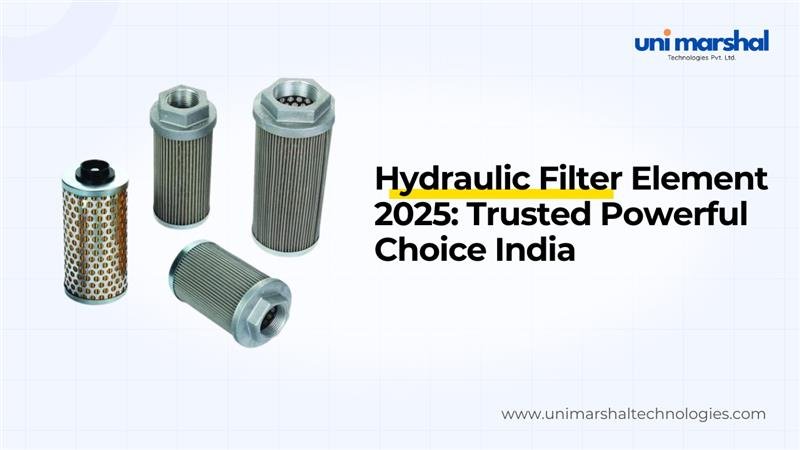
SECTION A: What Is a Suction Strainer and How It Works
=> A Hydraulic Filter Element is an essential part of a hydraulic system.
=> It helps keep the fluid clean by filtering out dirt, dust, and metal particles before they enter the pump.
=> Clean hydraulic oil ensures smooth operation, reduces wear, and increases the system’s life span.
~ Purpose
=> The main purpose of the Hydraulic Filter Element is to protect hydraulic pumps and other parts from damage caused by contaminants.
=> It removes unwanted particles before they can harm internal components.
* Key Benefits:
- Protects hydraulic pump from damage
- Prevents clogging in hydraulic lines
- Improves overall system performance
- Extends equipment life and reduces maintenance costs
~ How it Works
=> The suction strainer working process is simple yet effective.
=> It is installed at the inlet of the hydraulic pump, where it traps impurities before the oil enters the system.
* Working Steps:
- Fluid passes through a mesh or wire screen
- The mesh traps dust, metal chips, and solid particles
- Clean fluid moves forward into the pump
- Contaminants stay on the outer surface for easy cleaning
~ Common Materials Used
=> They are built from durable materials to handle different industrial conditions.
| Material Type | Description | Best Use |
| Stainless Steel | Strong, rust-resistant | Heavy-duty and industrial systems |
| Brass | Durable and corrosion-resistant | Moderate pressure applications |
| Nylon | Lightweight and cost-effective | Light-duty hydraulic setups |
~ Installation and Maintenance Tips
=> Proper installation and cleaning help ensure efficient performance.
* Installation Tips:
- Place the strainer at the oil tank inlet
- Ensure it’s easily removable for cleaning
- Avoid installing near bends or restrictions
* Maintenance Tips:
- Clean the mesh regularly to maintain flow
- Replace if the mesh is damaged or blocked
- Check pressure drop to ensure proper flow rate
~ Selecting the Right Hydraulic Part
=> When selecting this product you should, consider:
- Micron rating: Finer filters remove smaller particles
- Flow rate: Must match the system’s pump capacity
- Material: Should suit your operating conditions
SECTION B: Best Hydraulic Filter Element for System 2025
=> It plays a key role in protecting hydraulic pumps and components from damage caused by dirt, debris, or metal particles.
=> It’s the first line of defense in any hydraulic system.
~ What it is Used For
=> It removes large contaminants before oil enters the pump.
=> This keeps the hydraulic system clean and running smoothly.
* Key roles:
- Prevents pump damage from solid particles
- Improves fluid flow and performance
- Extends the life of hydraulic oil and components
~ Hydraulic System Pump Guard
| Feature | Description |
| Purpose | Filters large particles before oil enters the pump |
| Placement | Installed in the reservoir suction line |
| Material | Stainless steel, brass, or wire mesh |
| Micron Rating | Commonly 60–250 microns depending on system needs |
| Maintenance | Regular inspection and cleaning |
~ Why Choose the Best Hydraulic Protection Device in 2025
=> Modern hydraulic systems are faster and more precise.
=> Using the correct hydraulic screen keeps the system reliable.
* Benefits include:
- Reduces maintenance downtime
- Enhances pump efficiency
- Prevents early component failure
- Ensures clean fluid circulation
~ Key Factors When Choosing the Right Hydraulic Part
=> Before buying, always consider a few essential points:
- Size compatibility: Match the strainer size to your system’s flow rate.
- Micron rating: Choose the right level of filtration.
- Material strength: Go for stainless steel or high-quality mesh for durability.
- Ease of cleaning: Select a design that can be cleaned or replaced easily.
~ Types of Hydraulic Intake Filters
=> You’ll find several types designed for different needs:
- Wire mesh strainers – economical and easy to clean.
- Magnetic strainers – attract metal particles from the oil.
- Spin-on filters – quick replacement and compact design.
~ Why Use a Hydraulic Oil Protection Filter
=> It is for the hydraulic system that helps maintain consistent oil quality and pump performance.
=> It ensures contaminants never reach critical parts, improving reliability and lowering repair costs.
~ Maintenance Tips for Longer Life
=> Follow these quick steps to keep your strainer effective:
- Inspect every 3–6 months.
- Clean with compatible solvent and dry fully before reinstallation.
- Replace damaged or clogged mesh immediately.
- Keep oil tanks sealed to prevent contamination.
SECTION C: How to Clean and Maintain Suction Strainer Easily
=> Hydraulic Filter Element is an essential part of any hydraulic or industrial system.
=> It helps remove dirt and debris from the fluid before it reaches sensitive components.
=> Keeping it clean ensures smooth performance and prevents costly breakdowns.
~ Why Regular Cleaning Matters
=> Regular cleaning improves efficiency and prevents system damage.
- Keeps hydraulic fluid clean and clear
- Reduces clogging and pressure drops
- Increases the lifespan of pumps and valves
- Maintains smooth flow and performance
~ Signs Why Hydraulic Filter Element Needs Cleaning
=> Watch for these signs to know when it’s time for maintenance:
- Reduced flow rate or slow system performance
- Unusual noise from the pump
- Pressure gauge showing low suction pressure
- Overheating or vibration in the hydraulic system
~ Step-by-Step Cleaning Process
| Step | Action | Description |
| 1 | Turn off the system | Ensure the hydraulic system is off and pressure is released. |
| 2 | Remove the strainer | Detach the strainer carefully from the suction line. |
| 3 | Inspect the mesh | Check for dirt, rust, or damaged mesh parts. |
| 4 | Clean with solvent | Use a mild solvent or cleaning fluid to remove build up. |
| 5 | Rinse and dry | Rinse thoroughly with clean fluid and let it dry completely. |
| 6 | Reassemble and test | Reinstall the strainer and check for smooth operation. |
~ Quick Cleaning Tips
- Never use sharp tools to clean the mesh.
- Avoid high-pressure air; it can damage the filter.
- Use only manufacturer-recommended cleaning agents.
- Always inspect O-rings and seals before reassembly.
~ Easy Maintenance Practices
=> To extend the life of your strainer and system:
- Follow a fixed maintenance schedule
- Keep spare strainers ready for replacement
- Label cleaned strainers for reuse
- Record maintenance dates for better tracking
~ Common Mistakes to Avoid
- Ignoring small dirt build up
- Reinstalling a wet or damp strainer
- Over-tightening fittings during reassembly
- Skipping regular inspection cycles

SECTION D: Top Suction Strainer Manufacturers in India
=> Hydraulic Filter Element is an essential component used in hydraulic systems to remove large dirt particles before the fluid enters the pump.
=> It helps protect the system, maintain smooth operation, and increase equipment life.
~ Overview Table
| Section | Details |
| Main Use | Filters out dust, metal chips, and debris from hydraulic oil before it reaches the pump. |
| Key Materials | Stainless steel, brass, and mild steel mesh. |
| Micron Ratings | Commonly available in 100, 125, 150, and 250 microns. |
| Mounting Type | Tank-mounted, threaded, and flange-mounted designs. |
| Applications | Hydraulic systems, industrial machinery, and heavy equipment. |
| Maintenance | Clean regularly to prevent clogging and ensure smooth fluid flow. |
~ Why It’s Important
- Prevents damage to pumps and valves.
- Increases the lifespan of hydraulic components.
- Ensures clean fluid circulation.
- Reduces maintenance downtime and repair costs.
~ Features of a Quality Hydraulic Component
- High dirt-holding capacity.
- Easy to install and maintain.
- Available in multiple sizes and micron ratings.
- Corrosion-resistant body for long-term use.
~ Types:
- Threaded Suction Strainer – Simple to mount and ideal for compact systems.
- Flanged Suction Strainer – Suitable for large industrial machines.
- Magnetic Suction Strainer – Captures fine metal particles efficiently.
~ Top Hydraulic Filter Brands in India
=> Finding trusted suction strainer manufacturers in India helps ensure quality and reliability.
=> Some leading names include:
- Companies offering high-grade stainless steel strainers.
- Manufacturers provide customized designs for various flow capacities.
- Exporters maintain strict quality control standards.
- Suppliers offering affordable prices with bulk order support.
~ How to Choose it Right
- Check the flow rate and pressure requirements.
- Match micron rating with system needs.
- Select durable material based on fluid type.
- Ensure easy maintenance and cleaning access.
~ Maintenance Tips
- Clean filters regularly to avoid clogging.
- Replace damaged mesh immediately.
- Inspect for leaks or loose fittings.
- Always use compatible spare parts for replacements.
~ Key Benefits
- Improves hydraulic performance.
- Extends equipment life.
- Reduces operational costs.
- Enhances system reliability.
SECTION E: Suction Strainer Material and Micron Rating Guide
=> Hydraulic Filter Element plays a key role in protecting hydraulic systems from dirt, metal chips, and other contaminants that can damage pumps and valves.
=> Understanding its material and micron rating helps you choose the right one for your application.
~ What is it made of?
=> Different materials are used to meet specific system needs.
=> Each one offers unique strength, corrosion resistance, and cost benefits.
| Material Type | Description | Best For |
| Stainless Steel | Strong, rust-resistant, and long-lasting | Industrial and marine systems |
| Brass | Good corrosion resistance and easy to clean | Light-duty or low-pressure systems |
| Nylon/Plastic | Lightweight and cost-effective | Small machinery and mobile equipment |
| Carbon Steel | High durability with affordable pricing | General hydraulic applications |
~ Key Points:
- Stainless steel filters handle high-temperature and high-pressure use.
- Brass works well where mild corrosion protection is enough.
- Nylon suits compact or low-flow hydraulic systems.
- Carbon steel offers a balance between cost and performance.
~ Understanding Micron Rating in it
=> The Hydraulic Filter Element micron rating defines how fine the filtration is.
=> It shows the smallest particle size the strainer can trap.
Micron Rating Table:
| Micron Size | Filtration Level | Particle Type Captured |
| 40–60 µm | Coarse filtration | Large dirt and metal chips |
| 25–40 µm | Medium filtration | General hydraulic contamination |
| 10–25 µm | Fine filtration | Small metal fragments and fine dust |
| 5–10 µm | Very fine filtration | Micro debris and precision systems |
~ Quick Tips:
- A lower micron number means finer filtration.
- Choose the rating based on pump sensitivity.
- Over-filtration can reduce flow, so match it to your system needs.
~ How to Select the Right Material and Micron Rating
=> Use these points to make a better choice:
- Check fluid type: Some materials don’t suit specific hydraulic oils.
- Consider pressure range: Higher pressure needs stronger materials.
- Decide flow rate: Finer filters reduce flow speed slightly.
- Maintenance access: Choose materials easy to clean or replace.
~ Benefits of Choosing it Right
- Protects hydraulic pumps and valves from early wear
- Improves system efficiency and lifespan
- Reduces maintenance costs
- Prevents breakdowns caused by contamination
SECTION F: Common Suction Strainer Problems and Fixes
=> Hydraulic Filter Element plays a vital role in protecting hydraulic systems from contaminants.
=> Over time, several issues can reduce its efficiency and cause system failures if not handled properly.
~ Quick Overview Table
| Problem | Cause | Simple Fix |
|---|---|---|
| Low oil flow | Clogged or dirty strainer | Clean or replace the strainer element |
| Strange noise from pump | Air leaks or blockage | Check seals and clean the strainer |
| Slow hydraulic operation | Restricted suction line | Inspect hoses and fittings for blockages |
| Overheating system | Oil flow restriction | Clean strainer and check oil level |
| Metal particles in oil | Damaged mesh screen | Replace the strainer immediately |
~ Common Problems
1. Clogging due to dirt and debris
=> Small particles can block the mesh, restricting oil flow.
- Clean the mesh regularly.
- Replace the filter if cleaning doesn’t restore flow.
2. Air leaks in the suction line
=> Leaks allow air to enter, leading to noise and reduced pressure.
- Tighten all fittings and clamps.
- Inspect seals for cracks or wear.
3. Collapsed or damaged screen
=> Happens when pressure exceeds the strainer’s limit.
- Use strainers designed for your system pressure.
- Replace damaged elements immediately.
4. Improper installation
=> Incorrect mounting can lead to vibration or oil bypass.
- Ensure correct alignment.
- Follow the manufacturer’s fitting guide.
5. Oil foaming or cavitation
=> Air trapped in the oil creates foam and noise.
- Check for proper oil level.
- Clean the suction line and strainer.
~ How to Prevent their Problems
- Clean the strainer after every maintenance cycle.
- Keep the hydraulic oil free from dust and moisture.
- Use high-quality filters designed for your specific application.
- Replace worn-out strainers on time to prevent major damage.

SECTION G: Industrial Suction Strainers for Heavy Equipment
=> A Hydraulic Filter Element is an important part of a hydraulic system.
=> It protects heavy machinery from dirt, metal particles, and debris that can damage pumps and valves.
=> These strainers are usually placed inside the reservoir, right before the pump, to make sure that only clean oil enters the hydraulic system.
~ Overview Table
| Aspect | Description |
| Purpose | Removes large particles from hydraulic oil before entering the pump |
| Used In | Excavators, loaders, tractors, and industrial machinery |
| Material Options | Stainless steel, brass, and durable synthetic mesh |
| Filtration Range | Typically 60–250 microns, depending on system needs |
| Mounting Type | Threaded, flanged, or in-tank installation |
| Maintenance | Easy to clean and reuse after inspection |
~ Why Industrial Filters Are Essential
- Prevents dirt and metal shavings from reaching hydraulic pumps
- Extends equipment life and reduces maintenance cost
- Maintains oil cleanliness for smooth operation
- Avoids unplanned downtime caused by contamination
~ Features of a Good Industrial Filter
- High dirt-holding capacity
- Corrosion-resistant materials
- Compatible with various hydraulic fluids
- Compact design for easy installation
- Reusable after cleaning
~ Applications in Heavy Equipment
=> Industrial suction strainer units are widely used in:
- Earthmoving and construction machines
- Agricultural equipment
- Marine and mining hydraulic systems
- Industrial power packs
~ Maintenance and Cleaning Tips
- Inspect regularly for clogging or wear
- Clean the mesh using compressed air or mild solvent
- Replace only when the mesh or seal is damaged
- Always check oil condition during maintenance
~ Key Benefits
- Keeps hydraulic systems efficient and reliable
- Lowers risk of pump failure
- Improves overall equipment performance
- Cost-effective protection method for heavy-duty systems
SECTION H: Where to Buy the Best Suction Strainer Online
=> A Hydraulic Filter Element is an important part of any hydraulic system.
=> It removes dirt and metal particles from the oil before it reaches the pump.
=> This helps protect your machinery and improve its performance.
~ What it is Used For
=> It is placed at the pump’s inlet to keep the system clean.
- Protects pumps from damage
- Filters large particles from hydraulic oil
- Increases equipment life
- Reduces maintenance costs
~ Key Features to Check Before Buying
=> When selecting it, make sure to check:
- Micron rating – decides filtration accuracy
- Material type – stainless steel, brass, or plastic
- Flow rate capacity – must match your pump
- Thread size – ensure proper fitting
- Operating temperature and pressure – choose based on system needs
~ Types:
| Type | Description | Best For |
| Metal Mesh Strainer | Made of stainless steel; durable and reusable | Heavy-duty and industrial systems |
| Nylon Strainer | Lightweight and corrosion-resistant | Light hydraulic and fluid systems |
| Magnetic Strainer | Attracts metal particles for extra protection | Systems with metallic contaminants |
| Inline Strainer | Compact design for space-saving installations | Mobile and compact equipment |
~ Benefits of Using a Quality Hydraulic Filter Element
- Extends the life of pumps and valves
- Improves system efficiency
- Prevents frequent breakdowns
- Keeps oil clean and free of debris
- Lowers repair and downtime costs
~ Tips to Maintain
- Clean regularly using compressed air or solvent
- Inspect mesh for clogging or damage
- Replace filter element when flow reduces
- Always follow the manufacturer’s instructions
~ Where to Buy it Online
=> Today, you can easily buy suction strainer online from trusted industrial suppliers.
- Compare product specifications before purchase
- Check customer reviews for performance insights
- Choose a manufacturer with a wide product range
- Look for after-sales support and warranty
FREQUENTLY ASKED QUESTIONS
Other Investors Are Exploring
Hydraulic filter || Buy online hydraulic filter || Manufacturer India || Micron rating guide || Hydraulic system filter || Tank-mounted filter || Filter maintenance tips || Heavy-duty hydraulic filter || Export hydraulic filter options || Hydraulic filter price India || Hydraulic filter manufacturer India || Buy hydraulic filter online || Suction Strainer