SECTION A: What Is Hydraulic FSB and How Does It Work?
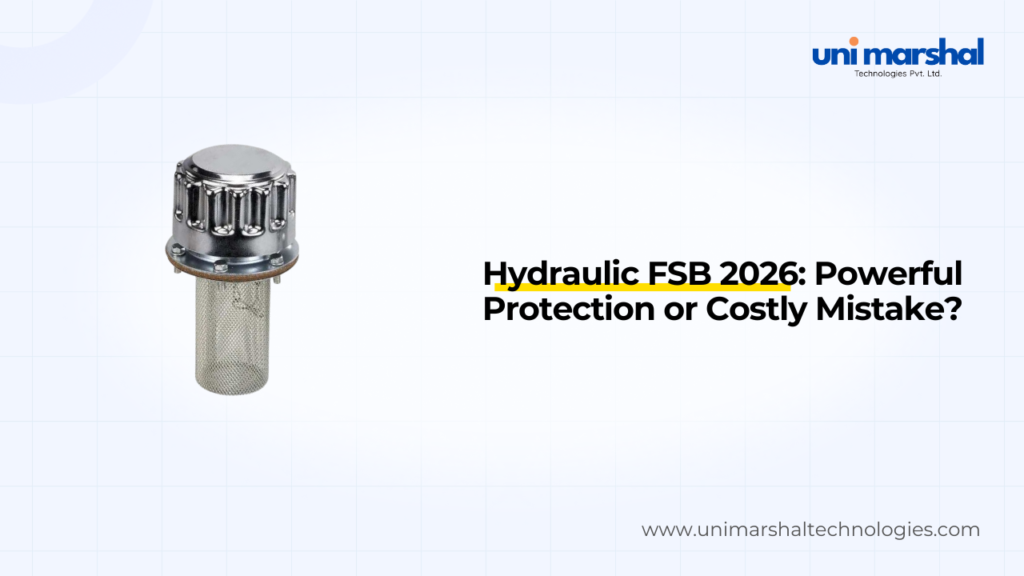
Hydraulic FSB (Filler Strainer Breather) is a specialized filtration component used in hydraulic systems to control contamination and protect critical internal parts. It focuses on maintaining fluid cleanliness where pressure, flow, and reliability matter the most.
Hydraulic systems depend on clean oil. Even small particles can damage pumps, valves, and actuators. This is where an FSB unit plays a controlled and protective role.
What Is a Hydraulic FSB?
A Hydraulic FSB is designed to filter hydraulic fluid before contaminants circulate through sensitive components.
It works as a safety barrier inside the system. It prevents wear, blockage, and efficiency loss caused by dirt, metal particles, or degraded oil.
Key characteristics include:
- Designed for continuous hydraulic flow
- Handles pressure variations safely
- Supports long system operating life
- Reduces unexpected downtime
Why Filtration Matters in Hydraulic Systems
Hydraulic oil does more than transfer power. It also lubricates and cools components.
When oil becomes contaminated:
- Component wear increases rapidly
- System efficiency drops
- Heat generation rises
- Maintenance costs increase
Proper filtration directly improves system reliability and operational stability.
How Hydraulic FSB Works Inside the System
The hydraulic FSB working principle is based on controlled fluid flow through a filtration media that captures harmful particles without restricting performance.
As fluid passes through:
- Contaminants are trapped inside the filter media
- Clean oil continues to circulate
- Pressure remains balanced
- System response stays smooth
This process happens continuously during system operation.
Internal Working Breakdown
The operation can be understood in simple steps:
- Hydraulic fluid enters the FSB housing
- Oil flows through layered filter media
- Solid particles are retained
- Clean fluid exits toward system components
This cycle repeats throughout system usage.
Main Components and Their Roles
| Component | Purpose |
| Filter housing | Protects internal parts from pressure and impact |
| Filter media | Captures contaminants from hydraulic oil |
| Inlet section | Guides fluid into the filtration path |
| Outlet section | Delivers cleaned oil to the system |
| Sealing elements | Prevent oil leakage and pressure loss |
This structure allows consistent filtration without interrupting system flow.
Where Hydraulic FSB Is Commonly Used
These units are used where contamination control is critical.
Common applications include:
- Industrial machinery
- Hydraulic power units
- Manufacturing equipment
- Heavy-duty material handling systems
- Automated production lines
Each application benefits from improved fluid cleanliness and controlled performance.
Benefits of Using an FSB-Type Filter
Using a properly selected filtration unit helps in:
- Extending component service life
- Reducing system failures
- Maintaining stable hydraulic pressure
- Lowering maintenance frequency
- Improving overall equipment reliability
These advantages directly support long-term operational efficiency.
Understanding Performance Through Daily Operation
During normal operation, users may not notice the filter working. That is the purpose.
A well-functioning unit:
- Works silently
- Maintains oil quality
- Protects internal parts continuously
- Supports consistent machine output
This behind-the-scenes role makes it essential for dependable hydraulic performance.
SECTION B: Why Hydraulic FSB Is Used in Modern Hydraulic Systems
Hydraulic FSB is used in modern hydraulic systems to control contamination, protect components, and keep machines running smoothly under demanding operating conditions.
Modern hydraulic equipment works under higher pressure and tighter tolerances. Even minor contamination can cause serious performance issues.
The Changing Demands of Modern Hydraulic Systems
Today’s systems are more compact and powerful than older designs.
This creates new challenges:
- Higher operating pressure
- Faster cycle times
- Sensitive internal components
- Continuous operation requirements
Filtration must now be more precise and reliable.
Role of Hydraulic FSB in System Protection
An FSB unit acts as a controlled filtration point within the hydraulic circuit.
Its role includes:
- Capturing harmful particles
- Maintaining oil cleanliness
- Protecting pumps and valves
- Supporting stable pressure flow
This protection works continuously during operation.
Why Contamination Control Is Critical
Hydraulic oil circulates through every major component.
When contamination builds up:
- Internal wear increases
- System efficiency drops
- Heat generation rises
- Unexpected failures occur
Proper filtration reduces these risks at the source.
How FSB Supports System Reliability
A hydraulic FSB system improves reliability by managing contamination before it reaches sensitive areas.
This helps in:
- Preventing premature component failure
- Maintaining consistent machine output
- Reducing unplanned downtime
- Supporting long service intervals
Reliability is essential for industrial productivity.
Operational Benefits for Industries
Industries choose FSB-type filtration for practical reasons.
Key benefits include:
- Stable performance under load
- Improved equipment lifespan
- Lower maintenance frequency
- Reduced operating costs
- Better oil condition monitoring
These advantages support long-term operations.
Performance Comparison With Basic Filtration
| Aspect | Without FSB | With FSB |
| Oil cleanliness | Inconsistent | Controlled |
| Component wear | High | Reduced |
| System stability | Variable | Consistent |
| Maintenance needs | Frequent | Planned |
| Equipment life | Shorter | Extended |
This comparison highlights its functional value.
Where Hydraulic FSB Adds the Most Value
FSB filtration is commonly used in:
- Industrial hydraulic power units
- Manufacturing machinery
- Material handling equipment
- Automated production systems
- Heavy-duty industrial tools
These environments demand consistent performance.
Design Features That Support Modern Use
FSB units are designed to match modern system requirements.
Key design aspects include:
- Strong housing for pressure resistance
- Efficient filter media
- Balanced flow paths
- Reliable sealing elements
These features support safe and steady operation.
Practical Impact on Daily Operations
In daily use, operators benefit indirectly.
A properly selected unit helps:
- Machines run smoother
- Oil stays cleaner longer
- Maintenance becomes predictable
- Production interruptions reduce
This makes it a preferred choice in modern systems.
SECTION C: Key Benefits of Hydraulic FSB for Industrial Applications
Hydraulic FSB plays an important role in protecting industrial hydraulic systems from contamination, wear, and unexpected performance issues. It supports stable operation across demanding industrial environments.
Industrial systems often run continuously. Clean hydraulic fluid becomes essential for reliability and equipment safety.
Improved Contamination Control
Industrial environments generate dust, metal particles, and debris.
An FSB unit helps by:
- Trapping harmful particles early
- Maintaining consistent oil cleanliness
- Preventing contaminants from circulating
- Reducing internal surface damage
This improves overall system health.
Extended Equipment Life
Hydraulic components are expensive and sensitive.
Better filtration results in:
- Less abrasion on pumps
- Reduced valve sticking
- Lower seal degradation
- Longer component service life
This directly protects capital investment.
Stable System Performance
Industrial operations require consistent output.
FSB filtration supports:
- Smooth oil flow
- Balanced pressure levels
- Reduced performance fluctuations
- Reliable system response
Stable performance improves production quality.
Reduced Maintenance Requirements
Frequent maintenance interrupts productivity.
Using proper filtration helps:
- Extend oil change intervals
- Reduce filter replacement frequency
- Minimize emergency repairs
- Support planned maintenance schedules
Maintenance becomes predictable and manageable.
Cost Efficiency Over Time
Initial filtration choices affect long-term cost.
Operational savings include:
- Fewer component replacements
- Lower downtime costs
- Reduced labor for repairs
- Improved energy efficiency
This supports sustainable operations.
Safety and Operational Reliability
Contaminated oil increases failure risk.
FSB filtration improves:
- System safety under load
- Reduced risk of sudden breakdowns
- Stable machine behavior
- Controlled operating conditions
Reliability protects both equipment and operators.
Industrial Performance Comparison
| Benefit Area | Without FSB | With FSB |
| Contamination control | Limited | Effective |
| Component wear | High | Reduced |
| Maintenance frequency | Frequent | Lower |
| Downtime risk | High | Reduced |
| System reliability | Unstable | Consistent |
This table shows practical performance differences.
Where These Benefits Matter Most
The hydraulic FSB benefits are most visible in:
- Manufacturing plants
- Heavy machinery operations
- Material handling systems
- Process automation equipment
- Industrial power units
These applications demand dependable filtration.
Supporting Long-Term Industrial Efficiency
Consistent filtration supports long-term productivity.
Key outcomes include:
- Better machine uptime
- Predictable system behavior
- Improved oil condition
- Reduced operational stress
These advantages make it suitable for industrial use.
Why Industries Prefer FSB-Type Filtration
Industries choose this filtration approach because it delivers:
- Reliable contamination control
- Strong system protection
- Lower lifecycle costs
- Improved operational confidence
This practical value drives its widespread adoption.

SECTION D: Common Problems Caused by Using the Wrong Hydraulic FSB
Hydraulic FSB selection plays a critical role in system performance. Using the wrong type or specification can quietly damage equipment and reduce operational reliability over time.
Many issues appear gradually. By the time symptoms are visible, internal damage may already be serious.
Poor Contamination Control
An incorrect FSB may fail to match system requirements.
This often leads to:
- Particles bypassing filtration
- Dirt circulating repeatedly
- Increased oil contamination
- Faster internal wear
Contamination is the root cause of most hydraulic failures.
Pressure Drop and Flow Restriction
Improper sizing creates resistance in oil flow.
Common effects include:
- Reduced system efficiency
- Slower machine response
- Increased energy consumption
- Unstable pressure levels
Flow imbalance stresses pumps and valves.
Premature Component Wear
Wrong filtration exposes sensitive parts to damage.
This results in:
- Pump scoring
- Valve sticking
- Seal deterioration
- Reduced component lifespan
Wear increases maintenance frequency and costs.
Overheating Problems
Restricted flow and contamination increase friction.
Overheating causes:
- Oil degradation
- Loss of lubrication properties
- Reduced viscosity control
- Higher failure risk
Heat accelerates system aging.
Frequent Maintenance and Downtime
Incorrect filtration creates ongoing operational issues.
Maintenance challenges include:
- Frequent filter replacements
- Unexpected system shutdowns
- Emergency repairs
- Production interruptions
Downtime directly impacts productivity.
Compatibility and Installation Issues
Not all FSB designs suit every system.
Wrong selection may cause:
- Improper fitment
- Leakage at connection points
- Seal damage
- Installation difficulties
Poor compatibility reduces system safety.
Long-Term Cost Increase
Short-term savings often lead to higher long-term costs.
Hidden expenses include:
- Component replacement
- Increased labor
- Oil replacement
- Energy inefficiency
Incorrect filtration affects total ownership cost.
Common Problems Overview
}
| Problem Area | Result of Wrong Selection |
| Filtration efficiency | Inadequate contamination control |
| System pressure | Unstable or excessive pressure drop |
| Component life | Reduced lifespan |
| Operating temperature | Increased heat generation |
| Maintenance frequency | Higher and unpredictable |
| Downtime risk | Increased |
This table highlights key risk areas clearly.
How These Issues Appear in Daily Operation
Operators may notice:
- Unusual noise
- Sluggish movements
- Inconsistent performance
- Frequent alarms
- Oil discoloration
These signs often point to hydraulic FSB issues.
Why Correct Selection Matters
Every hydraulic system has unique requirements.
Proper selection considers:
- Flow rate
- Pressure range
- Oil type
- Operating environment
- Duty cycle
Matching these factors prevents avoidable failures.
Industrial Impact of Wrong Filtration
In industrial environments, incorrect filtration affects:
- Production schedules
- Equipment reliability
- Safety standards
- Maintenance planning
Small filtration errors create large operational problems over time.
SECTION E: Hydraulic FSB vs Traditional Hydraulic Filters: Real Differences
Hydraulic FSB is often compared with traditional hydraulic filters, but both serve different purposes inside modern systems. Understanding these differences helps users choose the right filtration approach for their application.
Industrial systems today demand higher reliability. Filtration choice directly affects performance, safety, and operating cost.
Basic Purpose of Both Filtration Types
Both filtration methods aim to keep hydraulic oil clean.
However, their approach and system impact differ:
- One focuses on controlled system protection
- The other provides general contamination removal
- Design intent varies by application need
This difference defines their real value.
Design and Construction Differences
FSB units are designed for specific system integration.
Traditional filters are more generic in nature.
Key design contrasts include:
- Dedicated housing versus standard casing
- Controlled flow paths versus open flow
- System-specific sizing versus universal fit
- Stronger pressure handling capability
Design impacts long-term reliability.
Performance Under Industrial Conditions
Industrial environments are harsh and demanding.
Performance differences become clear during:
- Continuous operation
- High pressure cycles
- Variable load conditions
- Long operating hours
FSB-type filtration supports stable performance in these situations.
Contamination Handling Approach
Traditional filters often trap particles at a basic level.
FSB filtration focuses on controlled contamination management.
This results in:
- Better particle retention consistency
- Reduced bypass risk
- Balanced pressure control
- Improved oil condition stability
Effective contamination handling protects critical components.
Maintenance and Operational Impact
Maintenance needs vary between both options.
Operational differences include:
- Filter replacement frequency
- Ease of monitoring
- Risk of sudden blockage
- Predictability of service intervals
Better predictability supports planned maintenance.
System Integration Differences
Not every filter suits every system.
FSB units are selected based on system parameters.
Traditional filters may:
- Lack precise compatibility
- Cause pressure imbalance
- Create flow restriction
- Increase wear risk
Integration quality affects system health.
Cost Perspective Over Time
Initial cost is not the full picture.
Long-term considerations include:
- Component replacement cost
- Downtime expense
- Energy efficiency
- Maintenance labor
Filtration choice impacts total ownership cost.
Direct Comparison Overview
| Comparison Area | Hydraulic FSB | Traditional Hydraulic Filter |
| Design focus | System-specific protection | General filtration |
| Flow control | Balanced and controlled | Limited control |
| Pressure handling | High tolerance | Moderate tolerance |
| Maintenance predictability | High | Variable |
| Industrial suitability | Strong | Basic |
| System integration | Precise | Generic |
This table simplifies decision-making.
Practical Use Case Differences
In real operations, users notice differences quickly.
FSB filtration supports:
- Consistent machine response
- Lower failure rates
- Stable oil quality
Traditional filters are suitable for less demanding setups.
Choosing Based on Application Needs
The choice depends on system complexity.
Selection factors include:
- Operating pressure
- Flow rate
- Environment conditions
- Duty cycle
- Equipment sensitivity
Understanding hydraulic FSB vs hydraulic filter differences helps avoid costly mistakes.
Why Understanding the Difference Matters
Filtration directly affects system lifespan.
Correct understanding leads to:
- Better equipment protection
- Fewer operational surprises
- Improved reliability
- Smarter maintenance planning
Clear comparison supports informed decisions in industrial hydraulics.
SECTION F: Where Hydraulic FSB Performs Best in Industrial Environments
Hydraulic FSB delivers the most value in industrial environments where systems operate under pressure, contamination risk is high, and downtime is costly. Its performance depends heavily on application type and working conditions.
Industrial setups differ from light-duty systems. They demand reliable filtration that works continuously without disturbing flow or pressure balance.
High-Load Manufacturing Plants
Manufacturing plants run machines for long hours.
FSB performs best here because:
- Machines operate continuously
- Oil circulation is constant
- Component protection is critical
- Downtime affects production targets
Consistent filtration supports stable output.
Hydraulic Power Units
Power units are the heart of many industrial systems.
In these setups:
- Oil handles pressure generation
- Contamination spreads quickly
- Heat buildup is common
FSB filtration helps maintain oil quality throughout the circuit.
Heavy Machinery and Equipment
Heavy-duty machines face harsh conditions.
These include:
- High vibration
- Variable loads
- Dusty environments
- Long operating cycles
FSB units protect internal components under stress.
Automated Production Lines
Automation requires precise hydraulic response.
FSB works well because it supports:
- Smooth actuator movement
- Consistent pressure control
- Reduced valve sticking
- Reliable system timing
Precision improves product quality.
Material Handling Systems
Cranes, lifts, and conveyors depend on hydraulic reliability.
FSB filtration helps by:
- Preventing sudden pressure drops
- Supporting load stability
- Reducing wear on cylinders
- Maintaining smooth motion control
Safety improves with consistent filtration.
Process Industry Equipment
Industries like chemicals and processing need stable operation.
FSB suits these environments due to:
- Continuous operation cycles
- Sensitive control components
- High cleanliness requirements
- Strict maintenance planning
Stable filtration supports process consistency.
Why Certain Environments Benefit More
Not all systems need advanced filtration.
FSB performs best where:
- Pressure is high
- Equipment is expensive
- Downtime is unacceptable
- Oil cleanliness affects accuracy
These conditions amplify its value.
Industrial Application Overview
| Industrial Environment | Why FSB Performs Well |
| Manufacturing plants | Continuous operation support |
| Hydraulic power units | System-wide oil protection |
| Heavy machinery | Handles load and contamination |
| Automation systems | Maintains precision |
| Material handling | Supports safe load control |
| Process equipment | Ensures operational stability |
This table highlights ideal usage areas.
Environmental Conditions That Favor FSB Use
FSB filtration is effective in:
- Dust-heavy workshops
- High-temperature zones
- High-pressure circuits
- Long-duty cycle operations
Environmental stress increases filtration importance.
Operational Benefits Across Industries
Across these environments, users notice:
- Fewer breakdowns
- More predictable maintenance
- Better oil condition
- Improved equipment lifespan
These results support industrial efficiency.
Selecting Based on Application Needs
Choosing the right environment matters.
Understanding hydraulic FSB applications helps align filtration with:
- System design
- Operating pressure
- Load patterns
- Maintenance strategy
Correct placement ensures optimal performance without unnecessary cost.

SECTION G: How to Choose the Right Hydraulic FSB for Your System
Hydraulic FSB selection directly affects system safety, performance, and operating cost. Choosing the right unit requires understanding system needs, not just matching part numbers.
Every hydraulic system works under different conditions. A correct choice protects components and avoids hidden operational problems.
Start With Understanding Your System Requirements
Before selecting any filtration unit, study the system carefully.
Key details to identify:
- Operating pressure range
- Flow rate requirements
- Type of hydraulic oil
- Continuous or intermittent operation
- Working environment conditions
These factors define filtration needs.
Match the Flow Rate Correctly
Flow rate mismatch causes performance issues.
Incorrect flow selection leads to:
- Pressure drop
- Reduced efficiency
- Heat generation
- Component stress
Always match FSB capacity with system flow demand.
Consider Operating Pressure Limits
Industrial systems often run at high pressure.
Selection should ensure:
- Housing strength matches pressure levels
- Seals withstand system load
- No deformation under peak pressure
- Stable filtration during pressure fluctuations
Pressure compatibility is critical for safety.
Evaluate Contamination Level and Cleanliness Needs
Not all systems need the same filtration level.
Contamination depends on:
- Environment cleanliness
- Equipment age
- Oil change frequency
- System sensitivity
Higher contamination requires stronger filtration control.
Check Compatibility With Hydraulic Oil Type
Different oils behave differently.
Compatibility factors include:
- Oil viscosity
- Temperature range
- Additive content
- Chemical stability
Incorrect compatibility reduces filter performance and lifespan.
Consider Installation Space and Layout
Physical installation matters more than expected.
Check for:
- Available mounting space
- Connection orientation
- Accessibility for maintenance
- Clearance for replacement
Poor fit increases leakage risk.
Maintenance and Service Expectations
Maintenance planning should guide selection.
Look for:
- Easy inspection access
- Predictable replacement intervals
- Clear contamination indicators
- Simple servicing procedures
Good maintenance design reduces downtime.
Selection Criteria Overview
| Selection Factor | Why It Matters |
| Flow rate | Prevents pressure loss |
| Operating pressure | Ensures system safety |
| Oil compatibility | Maintains filtration efficiency |
| Contamination level | Protects components |
| Installation space | Avoids leakage and fitment issues |
| Maintenance access | Reduces service time |
This table simplifies evaluation.
Avoid Common Selection Mistakes
Mistakes often come from assumptions.
Common errors include:
- Oversizing without need
- Ignoring pressure spikes
- Choosing based on cost alone
- Skipping system analysis
These mistakes increase long-term costs.
Practical Selection Approach
A hydraulic FSB selection guide helps align filtration with system design.
A practical approach includes:
- Reviewing system specifications
- Consulting maintenance records
- Evaluating operating conditions
- Planning for future load changes
This approach supports reliable operation.
Why Correct Selection Pays Off
Correct selection improves:
- Equipment life
- System stability
- Oil cleanliness
- Maintenance planning
- Operational confidence
Smart filtration choices protect both machines and productivity.
SECTION H: Maintenance and Service Life of Hydraulic FSB
Hydraulic FSB requires proper maintenance to ensure long service life and consistent performance. Regular checks prevent unexpected failures and keep industrial hydraulic systems running efficiently.
Proper care also maximizes equipment lifespan while reducing maintenance costs.
Importance of Regular Maintenance
Maintenance keeps the filter functioning optimally.
Key maintenance actions include:
- Inspecting for clogging or debris
- Checking pressure indicators
- Replacing worn or damaged media
- Monitoring oil cleanliness
These steps prevent performance loss.
Signs That Hydraulic FSB Needs Attention
Early detection avoids system damage.
Watch for:
- Reduced flow rate
- Pressure fluctuations
- Unusual noise from the system
- Oil discoloration or contamination
Recognizing these signs improves reliability.
Cleaning and Replacement Guidelines
Different systems have varied maintenance cycles.
Recommendations include:
- Scheduled filter media replacement
- Cleaning housing during maintenance
- Ensuring seals and gaskets are intact
- Using manufacturer-recommended parts
Proper procedures extend filter life.
Factors Affecting Service Life
Service life varies by operational conditions.
Influencing factors:
- Operating pressure and temperature
- Oil type and viscosity
- Contamination level in the system
- Duty cycle and working hours
High stress conditions reduce filter longevity.
Practical Maintenance Tips
Simple practices improve efficiency.
Best practices:
- Monitor differential pressure regularly
- Avoid bypassing maintenance schedules
- Store spare filters properly
- Train operators on filter inspection
Routine habits prevent costly downtime.
Hydraulic FSB Maintenance Benefits
Well-maintained filters ensure:
- Cleaner hydraulic fluid
- Stable system pressure
- Reduced wear on pumps and valves
- Extended equipment life
- Predictable maintenance intervals
Proper care keeps systems performing reliably.
Maintenance Checklist Table
| Maintenance Task | Frequency | Purpose |
| Inspect filter media | Weekly | Detect clogging or damage |
| Check pressure indicator | Daily | Ensure correct flow |
| Replace filter element | As per schedule | Maintain efficiency |
| Clean housing & seals | During replacement | Prevent leakage |
| Monitor oil cleanliness | Weekly | Avoid contamination buildup |
This table helps plan a simple maintenance routine.
Maximizing Operational Efficiency
Regular hydraulic FSB maintenance directly supports system efficiency.
It ensures:
- Smooth operation
- Lower energy consumption
- Predictable machine behavior
- Minimal unscheduled downtime
Correct practices protect both the hydraulic system and industrial productivity.
Environmental and System Considerations
Harsh industrial environments may reduce filter life.
Consider:
- Dusty or high-contamination areas
- High-temperature or high-pressure systems
- Continuous duty applications
- Type and quality of hydraulic oil
These factors guide replacement and inspection schedules.
Long-Term Planning for Service Life
Service life management includes:
- Tracking maintenance records
- Planning filter replacements proactively
- Monitoring system performance trends
- Adapting maintenance to operational changes
Proper planning maximizes both filter life and system reliability.
SECTION I: Is Hydraulic FSB a Smart Investment in 2026 or a Costly Mistake?
Hydraulic FSB can be a game-changer for industrial systems in 2026, but its value depends on correct selection, installation, and maintenance. Understanding its benefits and costs helps make informed decisions.
Choosing the wrong unit or ignoring system needs can turn a smart investment into an expensive mistake.
Evaluating Cost vs Performance
Investing in an FSB affects both upfront cost and long-term efficiency.
Key considerations include:
- Purchase price
- Expected service life
- Maintenance requirements
- System reliability improvement
Analyzing hydraulic FSB cost vs performance ensures real value.
Benefits of Investing in Hydraulic FSB
A well-chosen FSB offers several advantages.
These include:
- Improved fluid cleanliness
- Reduced internal component wear
- Stable hydraulic pressure
- Fewer unexpected system failures
- Extended equipment lifespan
Long-term savings often outweigh initial costs.
Risks of Poor Selection
Wrong selection or low-quality filters increase operational risk.
Problems may include:
- Excessive pressure drop
- Oil contamination bypass
- Reduced component life
- Frequent maintenance interruptions
- Unexpected downtime
These risks make a cheap option potentially costly.
Industrial Applications That Gain the Most
Hydraulic FSB is most beneficial in:
- Manufacturing plants
- Heavy machinery
- Automated production lines
- Material handling systems
- Process industry equipment
These setups demand high reliability and contamination control.
Decision Factors to Consider
Before purchasing, consider:
- Flow rate and pressure compatibility
- Oil type and viscosity
- Maintenance access and service intervals
- Operational environment
- Long-term performance requirements
These factors guide smart investment choices.
Investment Comparison Table
| Factor | Smart FSB Investment | Poor Choice / Mistake |
| System reliability | High | Unstable |
| Maintenance frequency | Predictable | Frequent |
| Component life | Extended | Reduced |
| Operational downtime | Minimal | High |
| Total ownership cost | Lower long-term | High hidden cost |
The table highlights performance versus risk for clarity.
Practical Tips for Maximizing ROI
To ensure a smart investment:
- Select based on system specifications
- Follow proper maintenance schedule
- Monitor oil cleanliness regularly
- Replace filters proactively
- Avoid compromising on quality
These steps protect equipment and improve cost efficiency.
Why 2026 Is a Critical Year for FSB Use
Modern industrial systems face higher pressure and contamination risks.
FSB adoption in 2026 helps:
- Support next-gen hydraulic equipment
- Maintain stable productivity
- Reduce unexpected costs
- Ensure long-term system reliability
Correctly implemented FSB adds measurable operational value.
Long-Term Cost Perspective
A small upfront investment in a high-quality FSB can prevent:
- Frequent component replacements
- Production losses due to downtime
- High energy consumption
- Maintenance labor overrun
Evaluating cost vs performance ensures a wise 2026 investment.
Key Takeaways for Decision Makers
Before purchasing:
- Match FSB to system needs
- Avoid selection based solely on price
- Consider long-term efficiency and reliability
- Use it in high-risk hydraulic systems
This ensures the FSB remains a smart investment, not a costly mistake.