

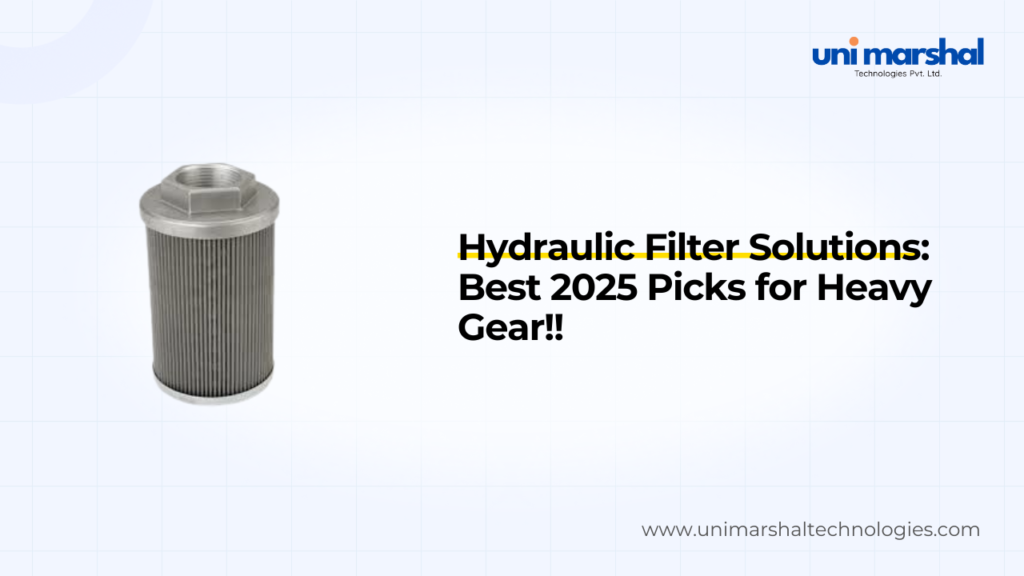
SECTION A: Best Hydraulic Filters for Excavators
=> Hydraulic Filter Solutions play a key role in keeping excavators running smoothly and preventing early system damage.
~ Why Excavators Need Quality Filters
=> Excavators work in tough conditions, so clean oil is important for strong performance.
- Protects pumps and valves from wear
- Keeps oil clean in dusty job sites
- Reduces breakdowns and repair costs
- Supports longer machine life
- Helps maintain stable hydraulic pressure
~ Comparison Table for Excavator Filters
| Filter Type | Best For | Benefits | When to Use |
| Return Line Filter | Everyday digging | Removes fine particles | After oil leaves cylinders |
| Suction Filter | Heavy load work | Protects pump before oil enters | When pump safety is a priority |
| Spin-On Filter | Fast maintenance | Easy to replace | For quick service jobs |
| Pressure Filter | High-pressure tasks | Catches small contaminants | When system runs at high pressure |
~ Key Features You Should Look For
=> Use these points to choose the right option:
- Strong dirt-holding capacity
- High-quality filter media
- Stable flow under pressure
- Good compatibility with your machine
- Durable build for rough conditions
~ Benefits of Using Reliable Excavator Filters
- Keeps hydraulic oil cleaner for longer
- Improves component efficiency
- Makes the machine more fuel efficient
- Lowers overall maintenance cost
- Reduces downtime on job sites
~ How to Choose the Best Filter for Your Excavator
=> These points help new and experienced buyers:
- Check your equipment manual
- Match the micron rating with system needs
- Always check flow rate and pressure limits
- Ensure the seal and housing are strong
- Pick a brand with proven durability
~ Signs Your Excavator Filter Needs Replacement
- Slow bucket or arm movement
- Unusual noise from pumps
- Overheating during long work
- Dirty oil visible during checks
- Poor response in controls
- Issues linked to excavator hydraulic filter performance
~ Maintenance Tips for Longer Filter Life
=> Keep your filter performing well:
- Change filters at recommended intervals
- Use clean oil from trusted suppliers
- Inspect seals during every replacement
- Avoid mixing different oil grades
- Keep the machine dust-free during service
~ Common Mistakes to Avoid
- Using cheap low-quality filters
- Ignoring early signs of contamination
- Delaying scheduled replacements
- Running the machine with low oil levels
- Picking filters without checking specs
SECTION B: How to Pick the Right Loader Hydraulic Filter
=> Hydraulic Filter Solutions play a key role in keeping loaders running smoothly.
=> Choosing the right filter protects the system, reduces breakdowns and keeps your equipment working longer with fewer issues.
~ Quick Overview Table
| Factor | What It Means | Why It Matters |
| Filter Type | Suction, return line, pressure | Helps match the filter to the loader system |
| Micron Rating | Size of particles it removes | Controls contamination and wear |
| Flow Capacity | How much oil moves through | Prevents overheating and pressure drop |
| Build Quality | Media, construction, seal strength | Ensures durability in heavy jobs |
| Compatibility | Fits your loader model | Avoids installation and performance issues |
~ Know Your Loader’s Requirements
=> Understanding your loader system helps narrow your choices fast.
=> Use the manual or check existing filter codes.
- Look at operating pressure
- Check current filter size
- Note the equipment environment
- Confirm OEM recommendations
~ Choose the Right Filter Type
=> Loaders use different filter types based on the hydraulic layout.
- Suction filters protect pumps from early wear
- Return line filters clean oil before the tank
- Pressure filters guard sensitive valves and components
- Breather filters block airborne contaminants
=> Each type plays a role in proper loader filter selection.
~ Check the Micron Rating
=> Micron rating decides how fine the filtration is.
- 10 microns for tighter protection
- 25 microns for standard loader needs
- 40 microns for heavy dirt environments
=> Choose based on working conditions.
~ Confirm Flow and Pressure Capacity
=> A filter must handle your loader’s flow rate without restriction.
* Look for:
- Correct GPM handling
- No pressure-loss issues
- Ability to work in continuous cycles
=> Proper capacity avoids heat build up and pump stress.
~ Compare Filter Media Quality
=> Strong filter media lasts longer and resists collapse.
* Focus on:
- High dirt-holding capacity
- Stable metal or synthetic media
- Strong end caps and seals
=> Quality media keeps systems cleaner for more hours.
~ Match the Filter to Your Loader Model
=> A perfect filter should fit correctly.
* Check:
- Thread size
- Outer diameter
- Height and seal type
- OEM cross-reference codes
=> A good match reduces vibration and leakage.
~ Consider Operating Conditions
=> Different job sites change what your loader needs.
* Think about:
- Dust-heavy fields
- Construction zones
- Quarry environments
- High-heat operations
=> Pick filters built for your real work conditions.
~ Look for Reliable Brands and Certification
=> Quality filters follow strong manufacturing standards.
* Choose filters tested for:
- Burst pressure
- Filtration efficiency
- Durability under load
- Oil compatibility
=> This helps maintain long equipment life.
SECTION C: Hydraulic Filters for Press Machines Explained
=> Hydraulic Filter Solutions play an important role in keeping press machines stable, safe and long-lasting.
=> A press system works under high pressure, so even small contamination can cause big failures.
=> This guide explains how filters work, why they matter and how to choose the right one.
~ What a Hydraulic Filter Does in a Press Machine
=> A filter removes tiny particles from the oil so the system can run smoothly. Clean oil helps:
- Reduce wear on pumps and valves
- Maintain steady pressure
- Lower the risk of breakdowns
- Improve overall machine efficiency
~ Overview Table
| Topic | What You Will Learn |
| Why filters matter | How filtering protects press components |
| Types of filters | Which filter suits different press operations |
| When to replace | Signs your filter is blocking oil flow |
| Key selection factors | What to check before choosing a filter |
| Common issues | Problems caused by dirty oil |
~ Why Filters Matter in Press Machines
=> Press machines use strong hydraulic power.
=> This power creates heat and pressure, which can pull metal particles into the oil. Filtering these particles is important for:
- Smooth cylinder movement
- Stable press force
- Longer service life
- Reduced maintenance cost
~ Types of Filters Used in Press Machines
=> Different filters handle different parts of the system. The most used options include:
- Suction filters for pump protection
- Return line filters for cleaning oil on the return flow
- Pressure filters for high-pressure cleaning
- Offline filters for continuous deep cleaning
=> Each type controls contamination in its own way.
~ How to Choose the Right Filter
=> Selecting the right press machine hydraulic filter depends on the machine’s workload and oil condition.
=> Check factors like:
- Micron rating
- Filter material
- Operating pressure range
- Flow capacity
- Temperature resistance
=> These points help you match the filter to the machine’s demands.
~ Signs the Filter Needs Replacement
=> A filter becomes weak when dirt builds up. Look for common warning signs like:
- Slow ram movement
- Overheating oil
- Increased noise
- Pressure fluctuation
- Frequent valve sticking
=> Replacing the filter at the right time prevents costly repairs.
~ Benefits of Using a Good Filter
=> A high-quality filter gives better performance and reduces sudden failures.
=> Key benefits include:
- Cleaner oil flow
- Higher press accuracy
- Lower downtime
- Longer equipment life
~ Maintenance Tips
=> Good maintenance keeps your press machine running longer.
=> Follow these simple steps:
- Check oil level weekly
- Inspect filters during every service
- Replace filters before full blockage
- Keep oil storage containers sealed
- Use recommended oil grade

SECTION D: Heavy Equipment Filter Types and Uses
=> Hydraulic Filter Solutions help operators protect their machines and avoid damage caused by dirty hydraulic oil.
=> Heavy equipment works in dust, mud and extreme pressure, so the right filters keep systems clean and stable.
=> Heavy machines need filters that handle strong flow, heat and contamination levels.
=> Below is a clear breakdown of the main filter types, where they are used and what problems they solve.
~ Overview Table
| Filter Type | Main Use | What It Protects | When It Works Best |
| Suction Filter | Stops large debris before pump | Pump components | Start of the hydraulic circuit |
| Return Line Filter | Traps dirt returning from valves | Valves and actuators | End of the hydraulic loop |
| Pressure Filter | Catches fine particles at high pressure | Sensitive parts | After the pump |
| Spin-On Filter | Easy, fast replacement | General systems | Light to medium-duty work |
| Cartridge Filter | Better dirt capacity | High-demand systems | Heavy-duty cycles |
~ Why Suction Filters Are Needed
=> Suction filters stop big particles before oil enters the pump.
=> They help avoid pump scoring and early wear.
* Key points:
- Placed inside the tank
- Protects the pump from sudden debris
- Works best in harsh job sites
~ How Return Line Filters Work
=> Return line filters capture dirt that travels back through the circuit.
=> They keep oil clean before it re-enters the tank.
* Why they matter:
- Improve overall system cleanliness
- Reduce valve wear
- Support longer oil life
~ Why Pressure Filters Are Critical
=> Pressure filters work under very high pressure.
=> They protect sensitive components like servo valves.
* Main benefits:
- Catch tiny particles
- Maintain stable flow
- Prevent high-pressure damage
~ Spin-On Filters and Their Uses
=> Spin-on filters are simple and quick to replace.
=> They suit machines that need fast maintenance.
* Advantages:
- Low downtime
- Simple installation
- Great for medium-duty machines
~ Cartridge Filters for Heavy Load Work
=> Cartridge filters offer better dirt-holding power.
=> They support long working hours and heavy load cycles.
* Key features:
- High durability
- Strong filtration
- Fits demanding systems
~ Where These Filters Are Used in Heavy Equipment
=> These filters appear in many machines inside the industry.
* Common applications:
- Excavators
- Loaders
- Press machines
- Dozers
- Crushers
~ Benefits of Using the Right Filter Type
=> Choosing the correct filter type improves performance and lowers repair costs.
* User benefits:
- Better protection for pumps
- Smooth machine movement
- Reduced downtime
- Cleaner hydraulic oil
- Longer component life
=> Regularly inspect and clean heavy equipment hydraulic filters to prevent contamination and ensure smooth machine operation
SECTION E: Signs Your Hydraulic Filter Needs Replacement
=> Hydraulic Filter Solutions play a key role in keeping your system clean and running smoothly.
=> When a filter gets clogged or worn out, your machine starts showing small warning signs that should never be ignored.
=> Knowing these signs helps you avoid damage and stay within the right hydraulic filter change interval.
~ Overview Table
| Sign | What It Means | Why It Matters |
| Slow machine response | Fluid flow is blocked | Causes heat and wear |
| Unusual noise | Pump is struggling | Leads to pump failure |
| Overheating | Contaminated oil | Lowers system life |
| Warning lights | Pressure drop or blockage | Needs immediate check |
| Dark or dirty oil | Filter not trapping dirt | Damages valves and seals |
~ Slow Machine Response
=> When your machine reacts slowly, the filter may be restricting oil flow.
=> This affects lifting, turning and general movement.
* Common signs:
- Delayed actuator movement
- Reduced lifting power
- Sluggish hydraulic controls
~ Unusual Noise from the System
=> A clogged filter makes the pump work harder.
=> The extra strain creates noise you normally don’t hear.
* Watch for:
- Whining sounds
- Rattling during operation
- Vibration around pump area
~ Hydraulic System Overheating
=> Heat rises when oil can’t flow freely.
=> A blocked or old filter traps dirt and pushes the temperature higher.
* Heat indicators:
- Hot hydraulic tank
- Frequent shutdowns
- Temperature warnings on display
~ Warning Lights or Error Codes
=> Modern machines show alerts when pressure drops.
=> A failing filter reduces pressure and activates dashboard warnings.
* Possible alerts:
- Low pressure warning
- Filter blockage indicator
- System protection shutdown
~ Dark, Cloudy or Metallic Oil
=> Oil condition reflects the filter’s health.
=> If oil looks dirty even after service, the filter isn’t doing its job.
* Check for:
- Metal particles
- Darkened color
- Muddy or cloudy texture
~ Reduced System Efficiency
=> A worn filter creates inefficiencies across the system.
=> This often leads to inconsistent performance.
* Efficiency drops include:
- Lower speed
- Frequent stalling
- Poor load handling
~ Pressure Fluctuations
=> A clogged filter can’t maintain stable pressure.
=> This affects smooth operations and increases component stress.
* Pressure issues:
- Sudden spikes
- Irregular gauge readings
- Jerky machine movement
~ Higher Fuel or Power Consumption
=> When the system works harder, energy use increases.
=> This is a strong sign the filter needs replacement.
* Signs to note:
- Higher fuel bills
- Increased power draw
- Longer cycles for simple tasks
SECTION F: How Filter Micron Rating Affects Performance
=> Hydraulic Filter Solutions play a key role in how well a hydraulic system runs.
=> One of the most important factors is the micron rating.
=> It shows how small the particles a filter can capture, and it directly affects performance, reliability and equipment life.
~ What Micron Rating Means
=> Micron rating tells you the size of contaminants a filter can hold back.
=> A lower number means the filter catches finer particles.
- 1 micron is extremely small
- Dirt, metal chips and moisture all affect system health
- The right rating keeps oil clean and equipment stable
~ Why Micron Rating Matters
=> A proper rating helps the system handle heavy loads without stress.
=> It also avoids damage in sensitive components.
- Keeps pumps running smoothly
- Protects valves from blockage
- Reduces wear on cylinders
- Prevents sudden pressure drops
~ Look at Micron Levels
| Micron Rating | What It Controls | Best For |
| 3–5 micron | Very fine particles | High-precision machines |
| 10 micron | Normal contamination | Excavators and loaders |
| 25 micron | Larger particles | Older or open-loop systems |
~ How the Right Rating Improves System Performance
=> A correct filter rating helps the machine work without interruption.
- Faster response time
- Smooth pressure flow
- Better oil cleanliness
- Lower heat buildup
- Longer running hours
~ Issues Caused by the Wrong Micron Rating
=> Choosing the wrong rating can hurt the system.
- Too fine: increased pressure drop
- Too coarse: contaminants stay in oil
- Filter clogs faster
- Higher fuel and energy use
~ How to Select the Right Micron Rating
=> Making the right choice is easy when you follow a few points.
- Check machine manual
- Match rating with oil type
- Follow equipment operating load
- Consider environment and dust level
- Use quality filters from trusted makers
~ Where Micron Rating Matters Most
=> Several parts depend heavily on proper filtration.
- Pumps that handle high pressure
- Valves affected by tiny particles
- Cylinders where seals are sensitive
- Servo systems needing clean oil
~ Why Technicians Prefer Clear Micron Ratings
=> Technicians focus on clean oil because it improves daily output.
- Less downtime
- Lower repair cost
- Stable operation across shifts
- Consistent power delivery
~ One Key Technical Term
=> The term hydraulic filter micron rating helps experts decide how much protection the machine needs.
=> It guides them in choosing filters that match real working conditions.

SECTION G: Common Hydraulic Contamination Problems
=> Hydraulic Filter Solutions play an important role in keeping systems clean and preventing early component failure.
=> Contamination is the biggest reason hydraulic machines lose performance and face costly breakdowns.
=> When dirt or moisture enters the system, it affects pressure, flow and the overall safety of the machine.
=> This guide explains the common contamination issues in a simple way so anyone can understand how they occur and how to avoid them.
~ Overview of Contamination Types
| Contamination Type | What It Causes | Where It Comes From |
| Dirt & Dust | Blocked lines, slow movement | Environment, bad seals |
| Metal Particles | Pump wear, valve damage | Component friction |
| Water & Moisture | Rust, poor lubrication | Humidity, leaks |
| Sludge & Varnish | Heat issues, sticky parts | Old or overheated oil |
~ Why Contamination Happens
=> Short issues that commonly lead to dirty hydraulic oil:
- Poor filtration setup
- Damaged or old seals
- Using low-quality oil
- Lack of proper storage
- Not replacing filters on time
=> Each of these problems increases the risk of hydraulic oil contamination, which can spread quickly inside the system.
~ Common Problems Seen in the System
1. Blocked or Slow Flow
=> Small particles collect inside narrow lines and reduce flow.
- Causes pressure drops
- Reduces machine speed
- Makes the pump work harder
2. Damage to Pumps and Valves
=> Metal particles scrape and scratch sensitive parts.
- Creates internal wear
- Shortens machine life
- Increases repair cost
3. Overheating During Operation
=> Contaminated oil doesn’t lubricate well.
- Produces excess heat
- Forms sticky varnish
- Reduces working efficiency
4. Seal Failure
=> Dirty oil hardens or cracks rubber seals.
- Leads to leakage
- Pulls in more dirt
- Makes the system unstable
~ How to Identify Contamination Early
=> Users can catch problems quickly by checking these points:
- Unusual noise from the pump
- Jerky or uneven movement
- Dark or cloudy oil
- Sudden rise in temperature
- Extra vibration during work
=> Short checks help prevent large failures.
~ Easy Ways to Reduce Contamination Risk
=> Simple steps that protect your system:
- Clean oil containers before use
- Store hydraulic oil in dry areas
- Inspect seals regularly
- Replace filters on schedule
- Keep breather caps clean
- Use correct filter types for the machine
=> Consistent care helps the system run smoothly.
~ Filter Selection Tips for Better Protection
=> Good filters keep oil cleaner for a longer time.
- Choose the right micron rating
- Match filter type with machine duty
- Check flow capacity before installing
- Avoid cheap or low-grade filter materials
=> A well-matched filter prevents most contamination-related failures.
SECTION H: Spin-On vs Cartridge Filters: What to Choose
=> Hydraulic Filter Solutions help equipment run cleaner and avoid early wear.
=> When choosing between filter types, many buyers compare spin on vs cartridge filter options to see which one fits their machine and budget.
~ Comparison Table
| Feature | Spin-On Filters | Cartridge Filters |
| Installation | Simple, fast replacement | Needs housing opening and reassembly |
| Cost | Usually lower upfront | Often higher but long-term stable |
| Filtration Level | Good for general use | Strong control for fine particles |
| Maintenance | Very quick | More steps but deeper cleaning |
| Best For | Light to medium-duty equipment | Heavy-duty and precision systems |
~ What Spin-On Filters Offer
=> Spin-on filters are known for easy installation.
=> They come as a sealed unit that replaces quickly.
* Why users choose them:
- No special tools needed
- Good for quick maintenance
- Lower replacement cost
- Works well for common hydraulic systems
* Where they fit best:
- Excavators
- Loaders
- Small and medium industrial machines
~ What Cartridge Filters Offer
=> Cartridge filters sit inside a reusable housing.
=> Only the inner element is changed during service.
* Why users choose them:
- Strong filtration performance
- Better for high-pressure systems
- More control over contamination
- Good for long-term operation
* Where they fit best:
- Press machines
- Heavy industrial equipment
- Systems with sensitive valves and pumps
~ Key Differences That Matter
=> Short steps make the choice clearer.
* Installation
- Spin-on: Replace in minutes
- Cartridge: Needs careful removal and fitting
* Filtration quality
- Spin-on: Good general protection
- Cartridge: Higher accuracy for fine particles
* Service time
- Spin-on: Very quick
- Cartridge: Longer but deeper cleaning
* Durability
- Spin-on: Complete unit changed each time
- Cartridge: Housing reused for years
~ When Spin-On Filters Are Better
=> Pick spin-on filters if you want:
- Quick on-site service
- Lower maintenance costs
- Easy replacement during field work
- Simplified inventory for teams
=> Great for teams that need speed and minimal downtime.
~ When Cartridge Filters Are Better
=> Pick cartridge filters if you need:
- Strong filtration for sensitive parts
- Better performance in harsh conditions
- Reliable control in high-pressure systems
- Long-term stability in critical machines
=> Ideal for industries that demand high precision.
~ How to Choose for Your Machine
=> Use these points as a simple guide.
- Check the pressure level of your system
- Review contamination problems in past service logs
- Confirm manufacturer recommendations
- Consider maintenance speed vs filtration accuracy
- Match the filter type to equipment workload
SECTION I: Maintenance Tips for Longer Filter Life
=> Hydraulic Filter Solutions play an important role in protecting pumps, valves, and cylinders.
=> With the right care, your filter lasts longer and keeps the system running smoothly.
=> Below is a simple, clear guide that helps users understand how to maintain their filters easily.
~ Overview Table
| Topic | What You Learn |
| Filter inspection | How often to check and what signs to look for |
| Oil condition | Why clean oil improves filter life |
| Installation steps | Basic steps for correct installation |
| Operating habits | Simple practices that reduce filter stress |
| Replacement time | When to change the filter |
~ Check the Filter Condition Regularly
=> Short checks help you catch problems early.
- Look for dents, cracks, or clogging signs
- Check pressure drop indicators
- Inspect sealing areas for leaks
- Review equipment manuals for inspection frequency
~ Monitor Oil Cleanliness
=> Clean oil keeps your filter healthy and reduces load.
- Avoid mixing old and new oil
- Use quality oil suitable for your machine
- Keep containers sealed to stop dirt entry
- Test oil when the machine runs in tough conditions
~ Follow Correct Installation Steps
=> Wrong installation reduces filter life quickly.
- Clean the mounting area before fitting
- Tighten the filter to the recommended level
- Confirm seals are placed properly
- Remove old gasket material before installing a new filter
~ Use the Right Micron Rating
=> The micron rating affects how well the filter captures contaminants.
- Follow the equipment requirement
- Use finer filtration for sensitive components
- Choose filters based on system pressure and flow
- Avoid cheap filters that fail early
~ Watch for Warning Signs
=> System behaviour often shows filter issues.
- Slow cylinder movement
- Overheating during long cycles
- Increased noise from the pump
- Frequent contamination alarms
~ Maintain Good Operating Habits
=> Good habits improve filter and system life.
- Warm up the machine in cold weather
- Avoid running at full load for long hours
- Keep hydraulic hoses clean before connecting
- Store filters in a dust-free place
~ Keep a Simple Maintenance Schedule
=> A schedule keeps everything on track.
- Check the filter every 250–300 hours
- Inspect oil at each service cycle
- Replace seals with every filter change
- Use a logbook to track service dates
~ Know When to Replace the Filter
=> Using an old filter can damage the system.
- Replace when pressure drop is high
- Change if oil turns dark quickly
- Follow OEM replacement hours
=> Don’t wait for full blockage
FREQUENTLY ASKED QUESTIONS
Other Are Exploring
Heavy Equipment Hydraulic Filters || Hydraulic Filters for Excavators || Hydraulic Filter Maintenance || Hydraulic Oil Contamination Prevention || Industrial Hydraulic Filters || Hydraulic Filter Micron Rating || Spin-On vs Cartridge Hydraulic Filter || Industrial Hydraulic Filtration Guide 2025 || Hydraulic Filters for Loaders || Hydraulic Filter Lifespan || Hydraulic Filter Manufacturer || Hydraulic Suction Strainer || Hydraulic Filter Supplier || Hydraulic Filter Exporter || Hydraulic Filter Manufacturer in India